 [Image: Parachute or shelter? Mode of escape or method of dwelling? From Volume 24].
This summer, while leaving New York City to return to Los Angeles, and on the occasion of Inaba publishing his recent book World of Giving, with Katharine Meagher, and editing the 24th issue of Volume—to be released next week at an event in New York—I decided to catch up with him about those two publications, about the state of architectural criticism in an age when everyone is being, as Inaba says, “nice,” and about the philanthropic potentials of design today.
 [Image: From Volume 24].
In World of Giving, Inaba writes that “Giving permeates human activity. It is present always and everywhere.” What exactly is giving, though, if it is both economically ubiquitous and socially universal?
“Giving,” Inaba suggests, “is any act that improves the capacity of another person. A gift can be as little as a nod of encouragement, or as great as taking a bullet for a friend.” And, while the motive to give might involve self-interest—that is, “help is extended to others in order to receive a benefit for oneself”—this is no reason to dismiss a human impulse toward true generosity: “We suggest that to undermine acts of giving with accusations of self-interest is overly simplistic. The potential positive feedback that flows to the giver is just as integral a part of the dynamic of giving as the positive benefit that flows to the receiver.”
 [Image: From World of Giving].
The complicated laminations of gifts on top of gifts—the worlds of nonprofits, NGOs, philanthropic organizations, and even everyday friends—creates its own social universe, with its own structures, its own unspoken rules, and, as Inaba and Meagher explore, its own architectural implications. Indeed, the latter half of the book specifically explores the spatial effects of the so-called gift economy, looking at the “architecture aid” of groups like Architecture For Humanity, the Gates Foundation, Christopher Alexander, John Turner and the World Bank, Hassan Fathy and the Aga Khan Development Network, and many more.
These examples of “improving the capacity of others,” as Inaba phrases it, through better homes, streets, workplaces, and sites of social gathering, is part of the larger overall dynamic of aid capital.
Aid Capital is our term for the power of giving. It is the sum of other resources like economic capital (money), political capital (governmental and institutional sway) and human capital (people’s time and energy) composed together with the specific desire to increase the capacity of others.
What’s particularly interesting here—and this is the dilemma of all philanthropic acts—is that gifts bring with them certain functional assumptions: for instance, at the most basic level, that the thing being given is actually of benefit to the recipient. One U.N. official might think, for instance, that all you need to do to rescue a certain city from poverty is establish a strong banking system or a robust highway network, while another presumed expert might think that all you need are active churches, tight-knit families, and access to modern medicine. Yet another might think the whole thing comes down to building stock, or public infrastructure, or women’s education, or affordable laptop computers.
But what all of these “gifts” have in common is that they are actually the projection of a political ideology—a vision of how that target society is meant to function. They thus come with contextual requirements that often exceed the bounds of any specific act of philanthropy and depend upon the acts of other organizations to operate at all. So while a gift is often inspired by the generous recognition of a state of need in the future recipient, that same gift is also a projection of how a certain giver thinks the recipient should be living. A “gift” risks becoming the implementation of the giver’s own politics.
 [Image: From World of Giving].
A few years ago, for instance, I had a brief but interesting conversation with Zach Frechette of GOOD magazine about how differently the idea of “doing good” can be interpreted by different people—that is, what giving can mean for them. Many people, for instance, might think that traveling from village to village to promote abstinence-only sexual education is “good,” and that passing out condoms is literally the very definition of moral irresponsibility. Others, of course, might beg to differ. In another context, an urban planner might think that tearing down slums and replacing them with wine bars and luxury condos—even with tower blocks—is a clear-cut urban “good.” But at what point does a gift become the strategic imposition of your own politics? When does your idea of good become something more akin to a burden, a setback, a limit unloaded onto others?
How do we deal with the problem of goods and counter-goods, so to speak, gifts and counter-gifts and the complex assumptions they entail?
In any case, Inaba’s and Meagher’s book presents itself as a glossy—and not inexpensive—research dossier, which I think has limited its reception to the world of architectural academia. But if it had been released as a standard trade paperback by a mass-market publisher like Random House, then I think World of Giving would actually sell remarkably well.
My own interest in the book’s ideas finding a larger audience is part of what initially motivated me to record the following conversation.
 [Image: The cover from World of Giving].
BLDGBLOG: In the most basic sense, where did the World of Giving project come from? What inspired it? What were you hoping to achieve by focusing on the nature of philanthropy and its architectural manifestations?
Inaba: This came out of research that we first did for the Donor Hall installation at the New Museum in New York. We wanted to think about the larger dynamics of aid, as well as the global system of philanthropy, and to research the role that architecture can play in it.
But, in looking at the topic and thinking it through, we ended up in a very different place than we expected—and we discovered that the topic of giving is much more fundamental than the people who were already covering it seemed to indicate.
Before you can even begin to talk about aid—in the form of philanthropy or in the form of support provided by the government—we had to look at the most basic dynamics of giving, even why people give from one to another in the first place. Once we started to look at that, we found a slightly different story that spanned from the human dynamics of giving all the way down to the delivery of that aid in whatever form.
On the one hand, for example, there’s architecture, urbanism, and other forms of physical aid, and, on the other, there is the delivery of what we call aid capital, aid that is given in forms that are less immediately material, such as education or policy support.


 [Images: From Donor Hall by INABA Projects, courtesy of the New Museum].
BLDGBLOG: One of the things I found interesting in the Donor Hall project is its inclusion of groups like Hamas—that is, groups listed as terrorist organizations by the U.S. government—as philanthropists. If Al-Qaeda rebuilds your town after a devastating flood—as in Pakistan—then it, too, in terms of that specific example, becomes a “philanthropic” organization. Donor Hall hints at this kind of parallel economy of gift-giving—another, darker branch of philanthropy that makes its money from off-radar markets and financial practices. See the work of Loretta Napoleoni, for instance. But this analysis is actually missing from the book. Did you deliberately exclude this shadow-philanthropy, so to speak, or did you perhaps lose interest?
Inaba: What was important to us with the Donor Hall was to present to people the range of organizations that give—which includes militias and informal operations, rather than just governments and official institutions. Even with organizations like Hamas, they realize the importance of providing a social and civil infrastructure for the place where they live. Our point was simply that many organizations understand the importance of providing support on the local level—but, with the book, rather than it being an inventory of all the different kinds of organizations that exist, we wanted to focus on the intentions and the mechanisms.
In that sense, the book is a more fundamental look at giving itself, and not just an overview of the range of the various organizations that give. Giving is often more of an entering-into-collaboration. From the donor down to the people who administer the gifts or grants—via the people who supply the local capital that permits purchase orders to be filled or subcontracts to be signed, and then further on to the people who actually do construction work—a gift is very often just the kicking-off of a much longer process.
And it’s not only the giving of aid, in whatever material a way that might be. It’s also about what we call aid capital—the ability to preserve and increase the capacity of another person. That capacity goes far beyond immediate material benefits, to the knowledge that comes with a gift, to the skills that might be picked up because of it, and to the ability of that recipient to then increase the capacity of others.
 [Image: From World of Giving].
BLDGBLOG: In the book, you write that “Aid Capital is our term for the power of giving… with the specific desire to increase the capacity of others.”
Inaba: Yeah, aid capital is something that’s very different from, say, political capital or social capital or monetary capital, in the sense that it’s relatively infinite. With political capital, if one garners favors from certain peers and then cashes in those favors at a certain point, while there is an immediate gain as a result of it, that capital has been spent. Whereas when aid capital is exercised, it goes toward helping a recipient in some way: the aid capital is never exhausted or fully spent.
For instance, a person’s volunteer hours will lead to something that might be built as a result—but that person might also then learn how to build better buildings from the experience, and pass that knowledge on to someone else, or to the entire community, or they might learn the management skills necessary for future projects, thus bringing in more people, and more opportunities for training, and so on. The ability for aid capital to build upon itself is something that, in a sense, means there’s no terminus point for giving.
BLDGBLOG: You specifically cite the case of Habitat for Humanity, an organization that chooses its recipients based not on those people’s real needs but on whether or not they are responsible enough to take care of what Habitat For Humanity gives to them. In other words, they are chosen based on their ability to become stewards of the gift.
Inaba: We focused on groups like Habitat For Humanity not because we specifically endorse what they do over other organizations, but because they are very illuminating organizations to describe. We thought it was interesting, for instance, that the recipients of assistance from Habitat For Humanity, as you say, wouldn’t necessarily be considered people in the most urgent or dire need, but rather people who have the capacity to support continued payments on a house. In that regard, the recipient of a “gift” from Habitat For Humanity would be someone who could usefully occupy the house, live there, and benefit from it—but also, because they are financially sustainable, offer reassure to the volunteers who actually constructed it that their effort has not been in vain.
The decision of who receives a gift has as much to do with building up a support infrastructure of people who will work on and build these houses, as with considering the social consequences of aid and its ability to build upon itself in the community even after the act of giving itself is over.
BLDGBLOG: This restricted nature of a gift—the conditions a giver might impose on future recipients—seems to deserve more attention, in that regard. This past winter, for instance, after the Haiti earthquake, groups like the Red Cross and Doctors Without Borders began specifically asking that donors not limit their gifts only to Haiti—that so much had been given already (and we saw this same situation with the Asian tsunami in 2004) that limiting your gift only to Haiti would actually be too generous, in a sense. Those gifts would actually be needed elsewhere. So there is also the category of the unrestricted gift: the act of true generosity, we might say, one without a specified destination.
Inaba: There’s actually a phenomenon called aid congestion, where the delivery of aid is not something that happens instantaneously, and it’s something that can discourage people from giving at all.
What we try to explain in the book is that the delivery of aid is very complicated. It deals with urban challenges we’re not always familiar with—like how to get resources into a city when all the infrastructure of that city has been incapacitated—and the gift itself has to be constantly transformed and processed before it arrives at its target.
Given the complexity of it all, giving is almost bound to be a very frustrating thing for people. They hear, on the one hand, that there are organizations being set up that might be fraudulent, and, on the other, that their gifts might actually be mismanaged—that there might be a large amount of money that then gets siphoned off to other causes elsewhere. Or there are even cases where very effective organizations are simply crowded out by other organizations, all of which are hoping to supply aid.
BLDGBLOG: Giving becomes a kind of competition.
Inaba: One of the more interesting reasons why giving becomes so complicated, though, is that, at every stage in the delivery process, the material nature of the assistance is forced to change. It goes from someone who wants to give dollars to someone who might process or exchange that money for, say, the payment or international transportation of goods—which then becomes the delivery or receiving of goods at a regional center, and then at a local center, which then becomes paying for people to unload the goods, or store them, or assemble them.
Essentially, it’s the transformation of an abstract, often monetary gift into something that is more immediately deliverable. For instance, transferring water from a large container into a truck, and then again into a smaller container: there is a constant transfer or transformation of the gift itself.
At each level, there is an exchange—and every exchange has to be negotiated.
BLDGBLOG: I’m reminded again of the earthquake in Haiti: within about 24 hours of the disaster, UPS began offering free shipment to Haiti for any package less than $50. In essence, UPS was donating its infrastructure and expertise —it was donating the logistical expertise of delivery itself In fact, in World of Giving, you actually describe an official relationship between the United Nations and DHL, where a kind of public-private collaboration between those organizations allows the U.N. literally to deliver aid in a way that would have been impossible without the flexible infrastructure and on-site administrative knowledge of DHL. DHL and UPS here could be seen as infrastructures-for-hire—or to be donated, as the case may be. It’s private-sector expertise being put to use in the service of public gain.
Inaba: What interested us specifically with DHL was also the knowledge that their individual workers have, in terms of setting up a local delivery center. The logistics of how to operate a warehouse is a very specific kind of knowledge: where things should come in; where they should be stored; how, and in what order, they should go out.
This kind of expertise can also be highly local to the area that has been affected. For instance, after something goes out of the warehouse, the way in which it is delivered in a region—and even the way packages are addressed there—is something that DHL would understand better than, say, an official at the U.N.
So this is not a question of the delivery of economic capital, but of intelligence.
 [Image: DHL in action; from World of Giving].
BLDGBLOG: That touches on the spatial nature of giving in a literal sense—here, the spatial layout of a warehouse and the different local geographies in which those warehouses function. But what about the larger architectural interest of the book? Architecture kicks in about halfway through, I might say. How did your interest in architecture-as-gift arise?
Inaba: On one hand, we really wanted to do something that was along the lines of a spatial/formal analysis of giving—on the level of city planning, on the level of housing in the developing world, and on the level of building. But we also wanted to understand this larger, logistical sense of space.
BLDGBLOG: One example that stuck out to me was the idea of the “roof loan society.” Charles Abrams, as you write in the book, saw “backyard stockpiles of weathered building materials” as “frozen assets” that could be put to use for the benefit of the larger community. Wood, cinder blocks, electrical wiring—this unused surplus was a kind of Home Depot in waiting: it was sitting around and not doing anything, though it could and should serve as the basis for local employment and future housing initiatives.
Inaba: We never really hear about Abrams—or about many of the figures in the book—within the world of architecture. They’ve been absorbed into a different context: of nonprofits, international cooperation, and so on.
BLDGBLOG: They’ve been absorbed by a larger political narrative?
Inaba: Well, it’s the scale of development, or the developmental context, that makes it political.
In this sense, the book is a reflection on our earlier work with the Guide to Shopping. The shopping book was an attempt to address a specific political moment, a moment when high affluence—when acquisition and material gain—became central to the collective psyche and shopping essentially became the sole element through which urban development occurred.
The Giving book marks a different era, one also of high affluence, but we wanted to say that giving, too, has an impact on urban development.
The Guide to Shopping was relatively apolitical—it looked at shopping from a relatively neutral standpoint—but that was very much an assessment of the situation. It was a critique that shopping had become the terminal activity of urbanism. The value of the book was that it could explain specific instances of the relationship between the activity of shopping to the way the city developed, including the invention of new building typologies.
But that’s just some background to what you’ve asked. Basically, we didn’t want to judge the particular ideologies or political ideas that architects have in terms of making proposals or delivering aid. In the section that describes the different architects—including Abrams—what we wanted to do was make clear the ideological intents of those architects and to be as specific as possible about the differences that exist between them—between each other, but also between what those architects once said or thought and what those architects now believe and practice.
The book is not politically judgmental on the level of the architects’ visions; more importantly, though, it is political in its description of the larger system of giving.
 [Image: From World of Giving].
BLDGBLOG: One other thing I think is interesting here actually ties back to an interview you did last year with Chris Anderson of Wired magazine. You discuss what Anderson calls the “reputation economy,” and how so much now depends upon constructing and maintaining a good reputation. Where this intersects with World of Giving, though, is where the value of your gift rises along with your reputation—and where people who are willing to receive your gift can also rise or fall depending, again, on the reputation your organization has. Think, for instance, of someone who accepts a grant from the Department of Defense, as opposed to someone who accepts a grant from the National Endowment for the Arts: those are two very different organizations, and their generosity comes with, for many people, quite opposite political implications. My point is simply that the philanthropic economy—the gift economy—seems to offer a nice corollary to the reputation economy that you discussed last year with Anderson.
Inaba: Yeah, that’s exactly it. One’s reputation increases with your ability to increase the capacities of others—but there’s always the question of how exactly you operate or what exactly you offer.


 [Images: From the index of World of Giving].
BLDGBLOG: Finally, the index for World of Giving is actually one of the most interesting parts of the book. It’s a collection of small photographs that document things like plastic tarps, tent structures, water filtration equipment, and so on—the actual objects through which aid programs operate and the ingredients that become recombined into things like refugee camps and emergency housing. It’s a material catalog of giving.
Inaba: With the index, we wanted to show the materials, tools, and objects of giving. However, we wanted people to see how these things now exist alongside new and improved aid materials—from blankets to buildings—but also things like dynamite, mine sweepers, packaging, boots, different forms of tents, power generators, etc.
What we wanted to say was that there is already a design language for giving—and that the design of these things has to do with shipability, weatherproofing, compartmentalization, the economic use of materials, and things that are designed for different durations of use.
We wanted people to be aware that there’s a high degree of design that already exists within the different institutions of giving. That’s something we can add to—but also something we can learn from, when we work within architecture as a larger practice.
 [Image: The table of contents from Volume 24].
BLDGBLOG: Let’s talk about Volume 24, the most recent issue of the magazine, which you edited. In your opening essay, you describe the overarching themes of the issue as follows: “At first glance, what appears prescient about the 60s when looking at current American culture is the preoccupation then and now with computer technology, the natural environment and alternative forms of community; but today each is disconnected from the radical political action and oppositional ideologies of the earlier era.” Further, “With the help of countercultural figures, historians and architects, this issue of Volume examines the popularized characteristics of the 60s that have influenced our beliefs about technology, the environment and community.” First off, where does this issue overlap, if at all, with World of Giving?
Inaba: One of the connections between this issue of Volume and the World of Giving book is where we see countercultural values emerging today.
For example, there’s what we’ve come to call the Nice Economy. Part of this is the recognition that one form of giving has now become pervasive, and that’s the sharing of things in various formats—whether it’s sharing songs, text, movies, personal thoughts, or what have you. Giving in exchange for something else—bartering and trading—is very much an activity that comes out of ideas of community and sharing—but this has now become so dominant that it’s no longer a counterculture. It’s more of an expectation than an ideal, and it bears more scrutiny.
 [Image: From Volume 24].
BLDGBLOG: And the Nice Economy is what, exactly?
Inaba: What we’re calling the Nice Economy emphasizes consensus, polite concurrence, and the idea of positive reinforcement, as well as making sure that people can work well as a group to the extent that one’s own behavior is not overbearing or doesn’t diminish the potential of group dynamics.
There are many popular writers today talking about how this, in general, is a good thing: people are typically kind and good, and they do things like sharing. But it’s almost become a necessity now, in terms of one’s professional life. If you’re anything but nice, it becomes a liability. This is true even to the extent that, a few years ago, being critical—even being an asshole, in terms of commenting on a blog—was common, but it now seems to come with the sense that your comments could get back to you.
So the idea is that being nice has transformed from a thing that was more of an ethos into something that is more like a professional expectation—whether it’s in business, economics, politics, or what have you. I mean, clearly this is better than if we lived in a world where everyone’s an asshole! [laughs] But it’s something that requires assessment, because it has consequences.
On the other hand, it also merits assessment in the sense that one wouldn’t now want to see a counter-reaction to this—to the Nice Economy—where it’s thought that being critical or being negative or being objectionable is, in and of itself, constructive. But nor should being nice simply be accepted as the status quo.
BLDGBLOG; [laughs] My wife’s former job—for a nonprofit in San Francisco—actually required her to attend weekly meetings where she and the rest of the staff would receive “the gift of criticism.” It was actually called that. I don’t think those meetings were very popular. But what it means to “be nice”—and, of course, what it means to “be critical”—really needs to be defined more closely here.
Inaba: Yeah. I think this requires an attitude that is neither one that attempts to be enthusiastic or find positive attributes in everything, nor one where immediately being counter to something, or in opposition against something, in disagreement with something, is in and of itself to be rewarded.
BLDGBLOG: Does the Nice Economy, as you phrase it, risk squeezing criticism out altogether? In other words, we should all just get along and be nice to each other. Or do you see a new, potentially more interesting type of critique emerging from this? For instance, you now also have to add to the discussion; you have the tools now to show that you can build or create something, and it’s no longer enough just to complain or tear other people’s things down.
Inaba: That’s a good question. In some ways, it’s a question of responsibility: for your criticism to be useful now, a greater, more comprehensive, more coherent, and more productive form of critique seems necessary. I think that’s the very thing that we ourselves are trying to grapple with here. In calling this issue Counter Culture?—with a question mark—it’s as much a question mark to ourselves about how to operate. How can you produce something that is not oppositional or contrarian for the sake of it—and how can you respond constructively, not just with a kind of superficial positivity?
I just want to reiterate quickly that if the Giving book is about the importance of generosity, and of understanding forms of giving, from a very basic human level to the way that giving works between governments, then what we want to make clear is that we present those mechanisms in very constructive terms. It’s the negative side of this, on the other hand, that we’re calling the Nice Economy. We want to be precise in looking for ways to transform or take advantage of the Nice Economy, as a way to validate ideas of giving, but not to continue the Nice Economy for its own sake and thus diminish the act of a gift.
 [Image: From Volume 24].
BLDGBLOG: Something that also seems to come up in the issue is a larger shift from the Whole Earth Catalog-era of do-it-yourself analogue counterculture to the countercultures of today, which are almost invariably equipment-intensive. Today’s countercultures—at least the ones most openly celebrated—are usually electrically dependent and quite high-tech. The question here would seem to be: are these really countercultures at all, then, in any real sense, or are they simply the continuing industrial expansion of the west? Are you a member of a counterculture or are you simply an emerging market for high-tech products (no matter how you might use or abuse them)? I think it’s instructive to juxtapose the off-the-grid fantasies of back-to-the-land 1960s hippies with the heavily mediated, high-tech equivalents of that today—it’s been a fairly extraordinary shift, yet it’s only been 40 years.
Inaba: Yeah, yeah. The Whole Earth Catalog was something that was deeply influential to the back-to-the-landers, and it certainly can be understood as a prototype for the internet, in the sense that it produced a knowledge network that was accessible and helped share information between interested parties.
But I think we take it for granted nowadays that social and political situations can only be improved by propelling ourselves forward through advances in technology. An interesting counter-example is something that McKenzie Wark brings up in his essay for the issue. He points out that the Romans—and, to a certain degree, the British—actually narrativized an end-game for their own empires, whereas we’re still caught in a post-Sixties idea of social transformation through technology. In other words, we can’t visualize our own end because we assume that we will simply change ourselves—and solve our problems—through technology. That narrative assumption—that technology will necessarily resolve all of our current problems—is something Wark wants to polemically question, and he points out that there’s a value to thinking about how to wind things down.
In the realm of architecture, I think what’s been really interesting is exploring the assumed connection between psychedelics—like the taking of LSD and the experience of being under the influence of LSD—and the aesthetics of psychedelia. There’s an assumption that the kind of patterns and colors of psychedelic spaces were very much intended as representations of a psychedelic trip. That’s something we take as a given, even today.
However, I think that Jason Payne makes an interesting point in his piece for the magazine. For him, a more appropriate corollary would be architecture that’s introverted. That is, something that is introspective rather than a thing that’s expansive. As a psychedelic, LSD might be seen as something that’s more internalizing—and, in that sense, in Payne’s view, it might be that the more acidic architecture would actually be something like Peter Eisenman’s House X or, in fact, any of Eisenman’s House projects.
BLDGBLOG: So, in Payne’s view, the architecture of LSD would be the solipsistic world of mathematical introversion—represented here by Peter Eisenman—and not the technicolor world of hippie tents and pop-up cities found up in the hills of California? That’s fascinating.
Inaba: In some ways, even the synthetic quality of Eisenman’s architecture—the technological expertise of it—is similar to the synthesized nature of LSD.
 [Image: House X].
BLDGBLOG: There’s a great moment in Daniel Pinchbeck’s book Breaking Open The Head where he describes the architecture of a very bad trip; in this particular scene, Pinchbeck takes a highly synthetic hallucinogen and he ends up thinking that he’s trapped in a room without doors or walls—but what’s funny is that his description of it almost sounds like a building designed by Zaha Hadid. It’s seamless, alien, and impossible to escape. [laughs]
Inaba: The specific comparison Payne tries to make is that, if acid was the drug of choice in the 1960s, and if acid was about introspection, then, by extension, it might be more accurately associated with an architecture that explores its own internalized discourse. For his own part, King associates himself with the 80s/90s and with Ecstasy; that drug experience, he thinks, is more conceptually extroverted, and those feelings and sensations of extroversion became a dominant operative term for his generation of architects.
I think what’s important about this is that it’s based on a questioning of the historical truths that we assume between certain kinds of sensibilities and the aesthetics that come out of them. For example, acid trip = psychedelic imagery. Payne’s idea that this equation can be challenged is nice—but it also seems interesting as a method, because what he sees as being important for his generation of designers is not so much concept-based architecture but what he calls an architecture of affect.
In other words, he’s interested in sensation; he’s interested in the synaesthesia of what something looks like and what its materiality might be—what happens if you privilege feeling over concept. I think it’s that methodology that allows Payne to reassess a previous era of architecture—to say that Eisenman’s architecture is acidic—but also that allows us to be informed about the way that contemporary architects are working.


 [Images: From Volume 24].
BLDGBLOG: Alistair Gordon’s recent book Spaced Out documents a kind of psychedelic vernacular—hippie enclaves, bubble architectures, parachute-pavilions, paisley walls, irregular room layouts, lots of incense, proud displays of body hair, and so on. Does a focus on this by now fairly clichéd design language play any part in the magazine?
Inaba: Alistair actually wrote a contribution for us. He tries to illustrate the extent to which the psychedelic aesthetic—the way he sees it—has penetrated into mainstream culture. In that sense, his piece is a precise restatement of what he says in Spaced Out: that psychedelic architecture was a kind of evolved vernacular. It was consciously working outside the domain of the professional discourse, and that was exactly its virtue.
We also talked with Chip Lord, from Ant Farm. I think, for us, what’s interesting about Ant Farm is the question of how architects can integrate new media into their work. With them, the fact that they’d always been interested in broadcasting their work really came to an apotheosis with the development of videotape technology. Video meant that they could incorporate broadcasting directly into the realization of their work, so everything from their “Clean Air” project in Berkeley onward deals with media to a certain extent—using media as a way to telegraph information.
In fact, with projects like “Media Burn,” Ant Farm not only enabled media to participate in their work directly, they also facilitated a critique of that work through new media like video. In that sense, it’s not just an enthusiastic embrace of a new technology; it also allowed Ant Farm’s work to act as a collective lens for interrogating the medium and for interrogating the way in which information is broadcast.
As rebellious and as confrontational as the work might be received today, I think there’s a reflective aspect to it that goes unnoticed.
 [Image: From Volume 24].
BLDGBLOG: The inversion of that, of course, is that something that would have been considered quite radical thirty-five or forty years ago would actually be a fairly tame example of multimedia today. For instance, today you can be watching a movie on your iPhone while texting somebody—while walking to work, while surrounded by LED screens on the sidewalk, while playing a game by Area/Code or checking in on foursquare, and so on. If, forty years ago, Archigram had proposed exactly that same scenario as a kind of design provocation—a way of deliberately overloading and inhabiting urban and architectural space—then it would have been considered pretty mind-blowing for its time. But today it’s just our everyday streetscape. It’s as if every child alive today with access to an iPod is already more avant-garde than Archigram.
Inaba: That’s something we’ve been trying to think out with this issue: the broader idea that there isn’t a counterculture at all today, because there isn’t anything monolithic enough to oppose. Things are so diversified now, in terms of an overall intensification of interests and experience, and there are so many different media in which one can work, that a multiplicity of platforms of expression are now allowed—or even expected.
In that sense, there is an anxiety among many people today—including architecture critics and writers—that there needs to be something to oppose. There needs to be something to be counter to.
We maintain that this anxiety stems from the fact that there is a mainstream, and it is so deeply imbued with countercultural values—like sharing, concern for the environment, and forming new communities—that such a dominant logic of niceness is paradoxically difficult to resist or oppose. Because the prevailing values of nicety are, in a way, beyond repute, maybe it limits the potential of a future counterculture?

 [Images: From Volume 24].
BLDGBLOG: I might even say that you now have the tools to create or produce whatever it is that you wish someone else had done—be it a film, a novel, a building, a design studio, or whatever—and the real value now is in actually seeing those things through to completion. Just go ahead and do it: do cool things; offer an alternative; create something; demonstrate the shortcomings of others not through criticizing and complaining about them but by doing something more interesting than they can do.
Inaba: For us, it’s more that the mindset of the Nice Economy encourages diversion, in terms of platforms and media. We’re more distributed now in what we can do, in the technologies that we have available to us, and in the forms that we can choose to use.
It’s harder now to see the immediate value of what it means to be oppositional—of what it means to form a counterculture, and in what it would mean to be mainstream. That’s one of the overarching themes of this issue: finding new ways to solve and address problems without being nostalgic for a different era.
* * *
Thanks to
Jeffrey Inaba for taking the time to have this conversation—and to
Nicola Twilley for helping to transcribe it.
 Every week this autumn, the Glass House Conversations have presented one question, posed by a new host each week, for general discussion online; previous queries have come from designers, writers, architects, critics, and educators, including 2×4, Steven Heller, John Maeda, Alice Twemlow, Alice Rawsthorn, Alissa Walker, and many more.
 [Image: From the 2006-2007
  [Image: From the 2006-2007
 [Images: From the 2006-2007
  [Image: From the 2006-2007
  I’m thrilled to be kicking off this fall’s
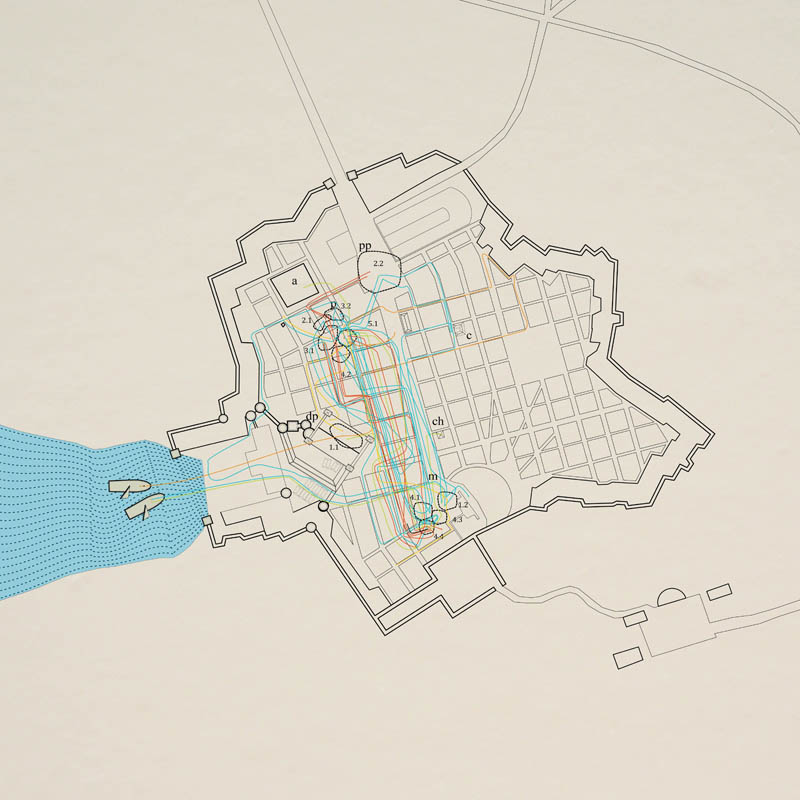 [Image: From Andrejs Rauchut’s thesis project at the

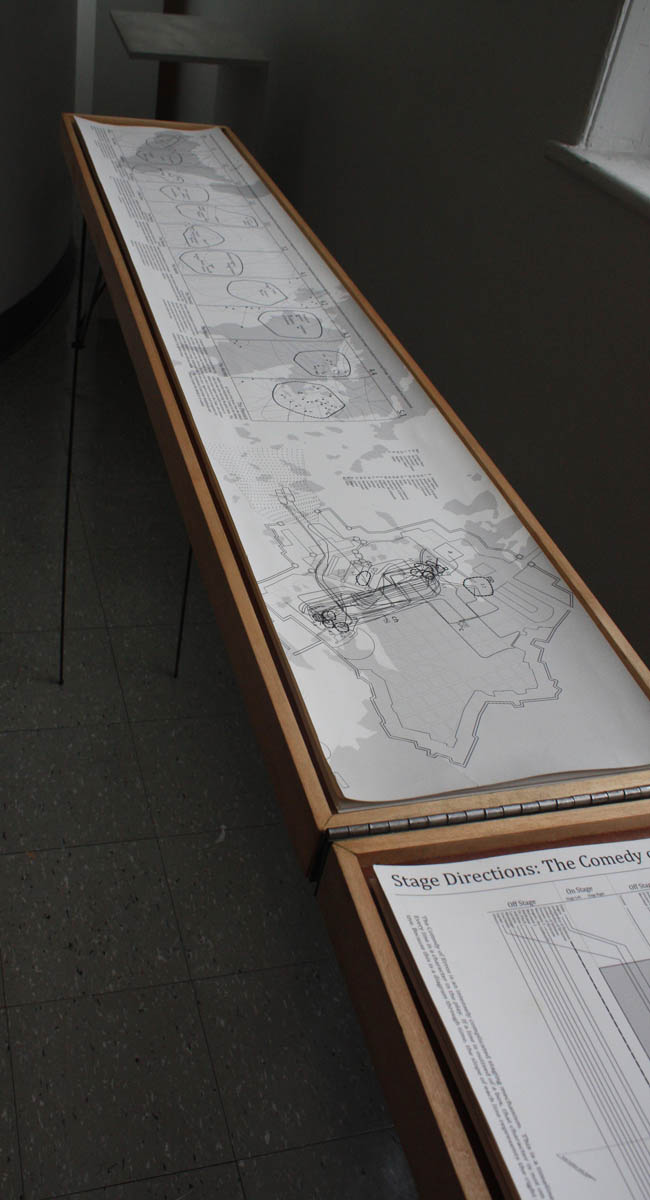
 [Images: From Andrejs Rauchut’s thesis project at the
  [Image: From Andrejs Rauchut’s thesis project at the
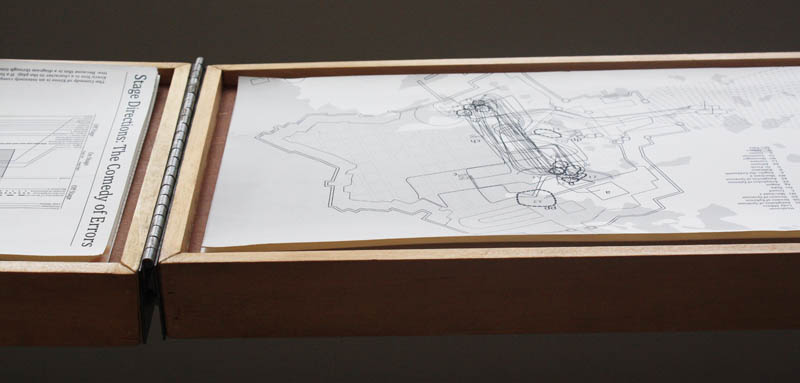
  [Image: From Andrejs Rauchut’s thesis project at the
  [Image: From Andrejs Rauchut’s thesis project at the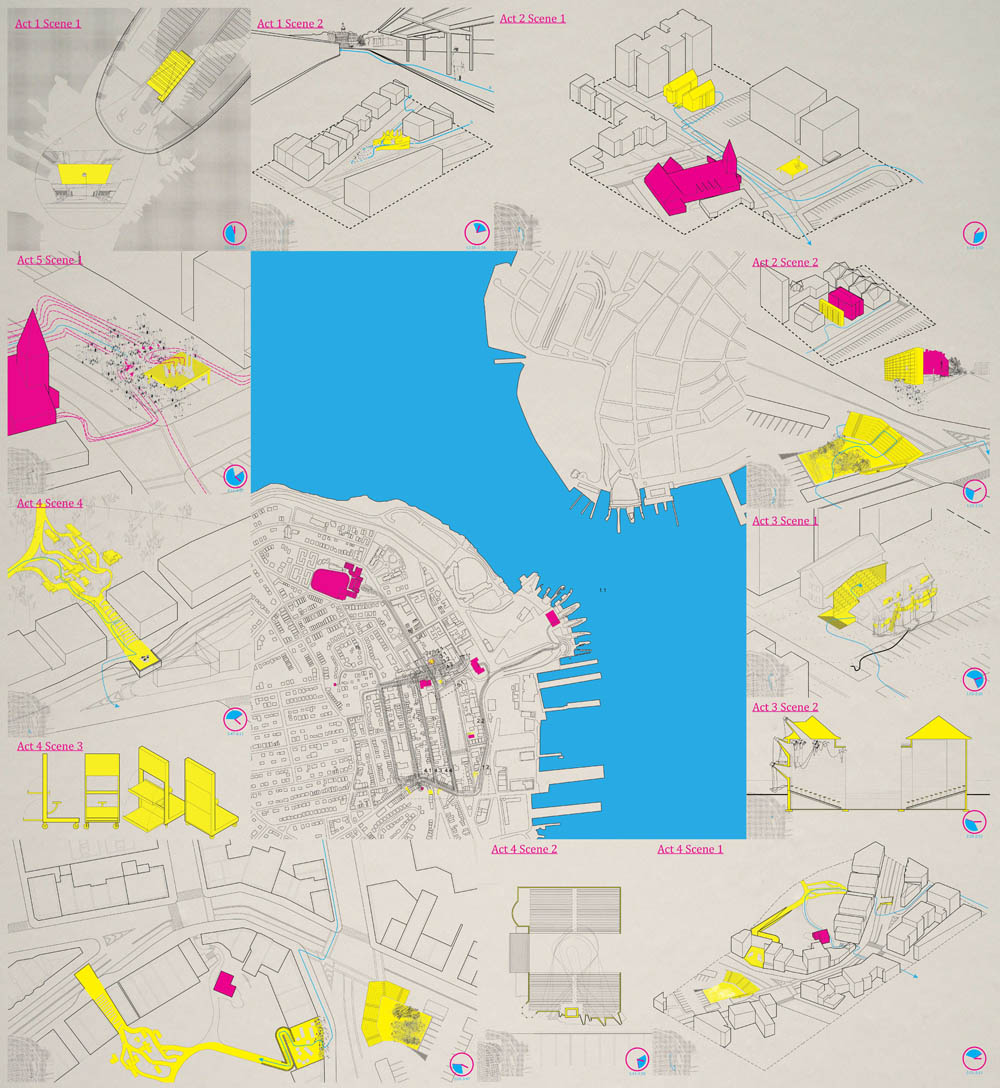
 [Images: From Andrejs Rauchut’s thesis project at the
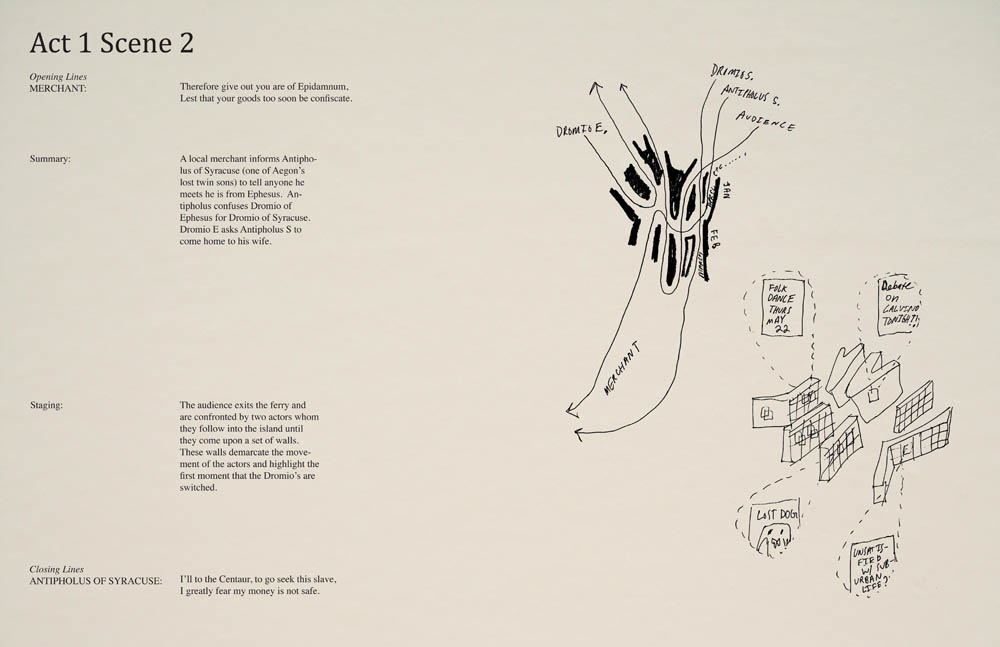
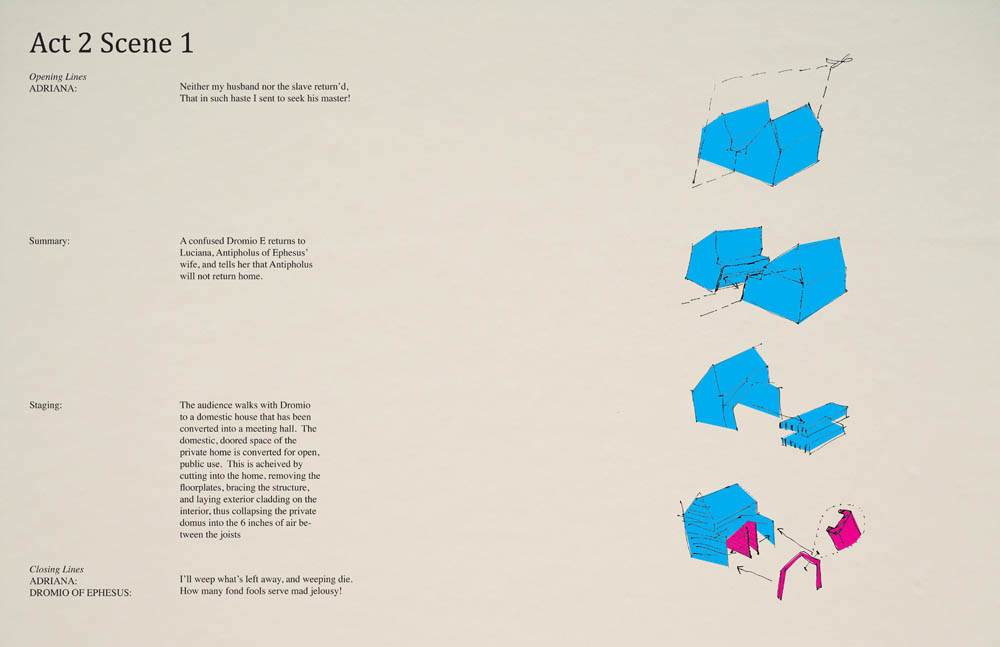
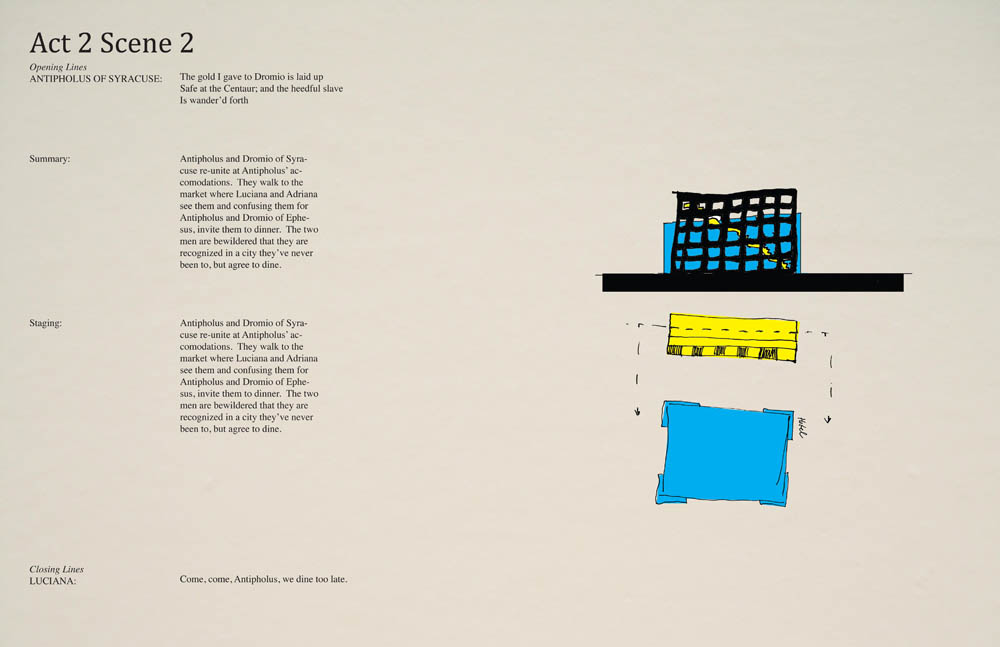 [Image: From Andrejs Rauchut’s thesis project at the
  [Image: From
  [Image: From
  [Image: From
  [Image: From
 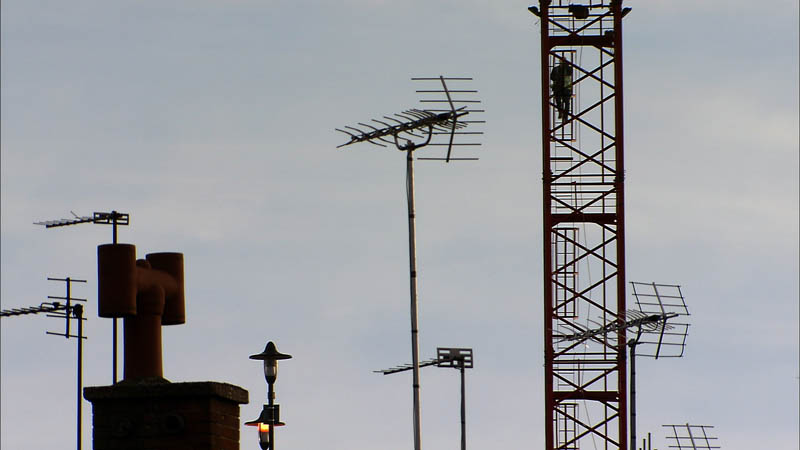 [Image: From
  [Image: From
  [Image: From

 [Image: From
  [Image: From
 [Image: Proposal image for
  [Image: “
 [Image: “
 [Images: “
 [Image: “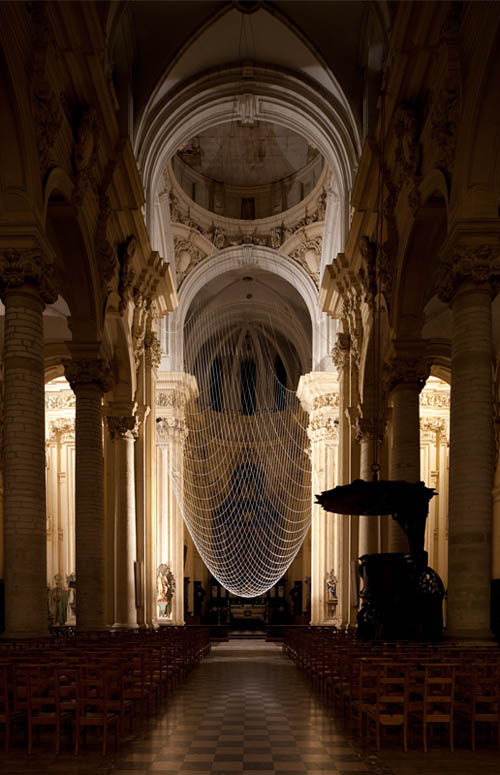
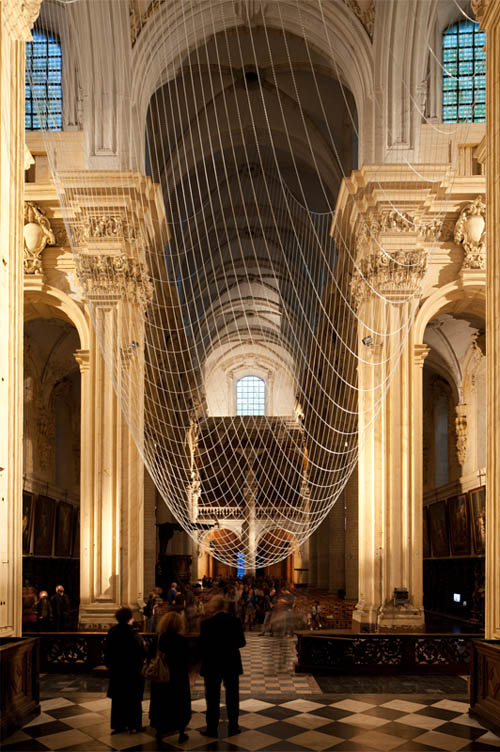
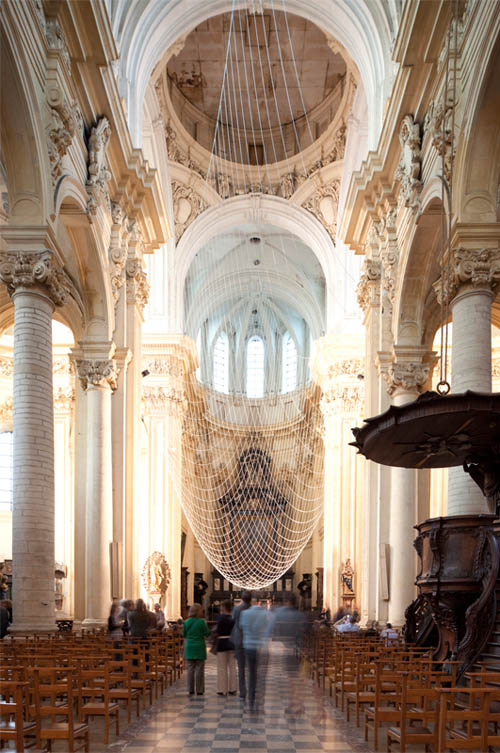 [Images: “
 [Image: “
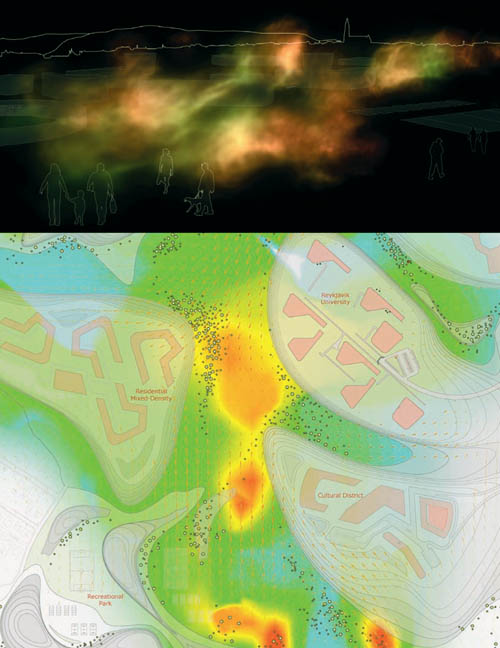 [Image: By Sean Lally, Andrew Corrigan, and Paul Kweton of
  [Image: From
 [Image: “Santissima Trinidad (Iturgoyen)” by
 [Images: (top) “Nuestra Señora de los Dolores (Monflorite)” and (bottom) “Nuestra Señora de las Viñas (Quintanilla de las Viñas)” by
  [Image: “San Juan Bautista (Barbadillo del Mercato)” by

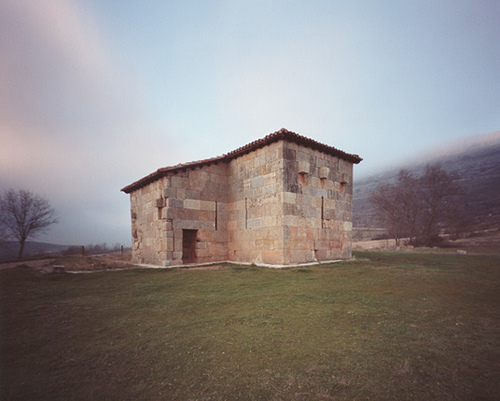 [Images: (top) “San Juan de Busa (Larrède),” (middle) “Virgen de Berzosa (Palazuelos de Villadiego),” and (bottom) “Nuestra Señora de las Viñas (Quintanilla de las Viñas)” by

 [Images: (top) “San Vicente (Cervera de Pisuerga),” (middle) “Virgen del Vallejo (Alcozar),” and (bottom) “Virgen del Carmén (Cadalso)” by
  [Image: “San Millan (Velilla de los Ajos)” by
  [Image: “San Bartolomé (Ucero)” by