Globes

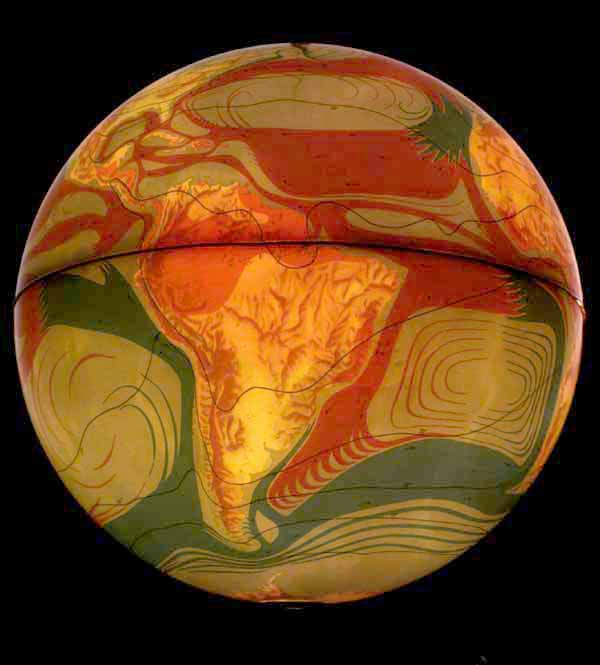
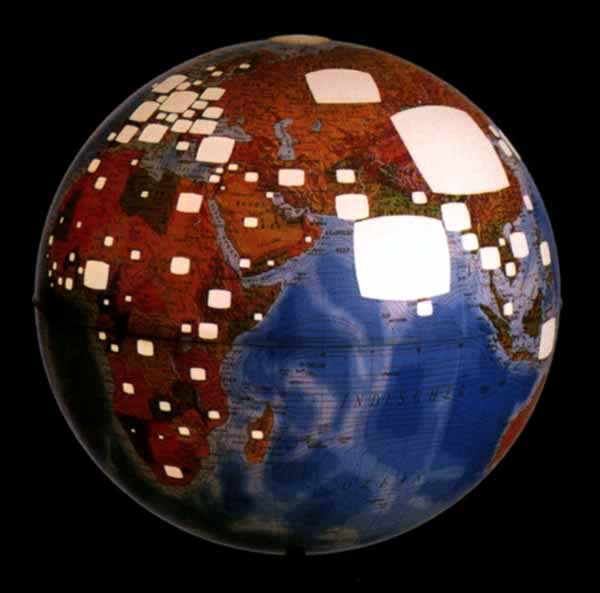
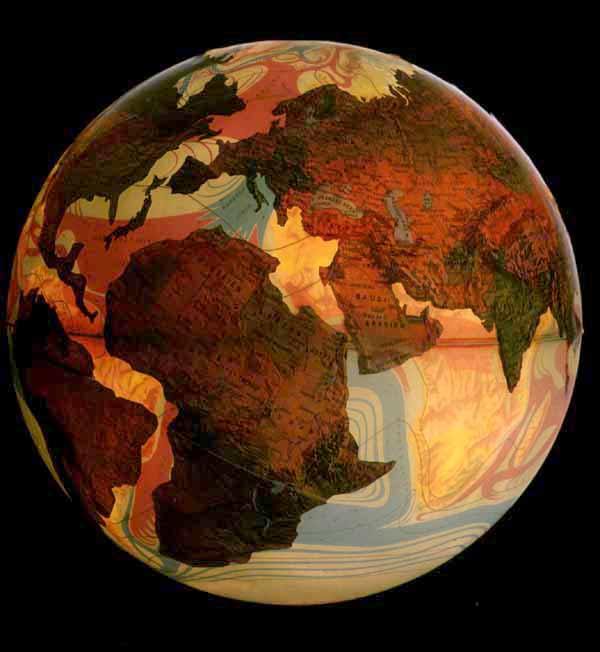
[Image: “Preferred Continental Drift”].

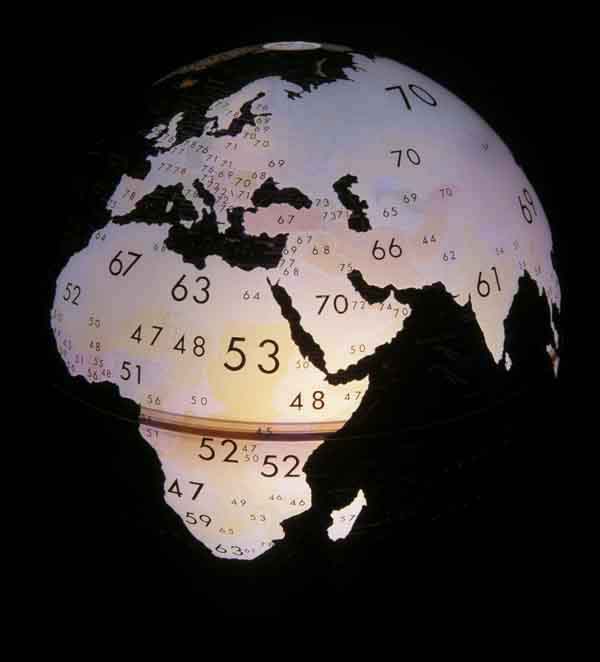
[Image: Global life expectancy].

[Image: “Nameless Places”].

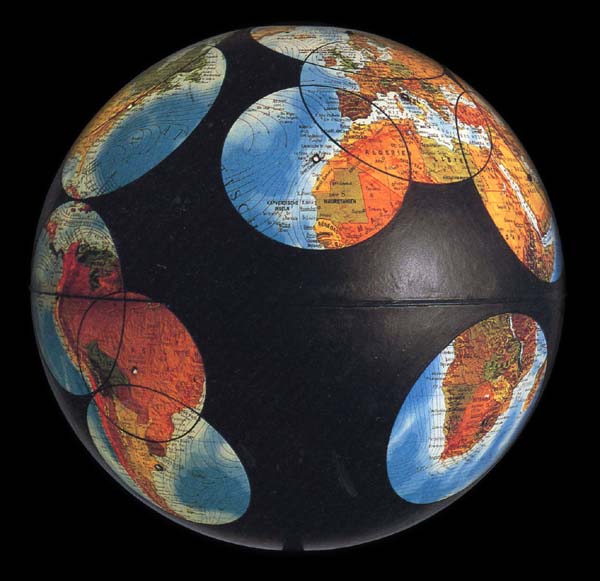
[Image: Satellite blind spots].

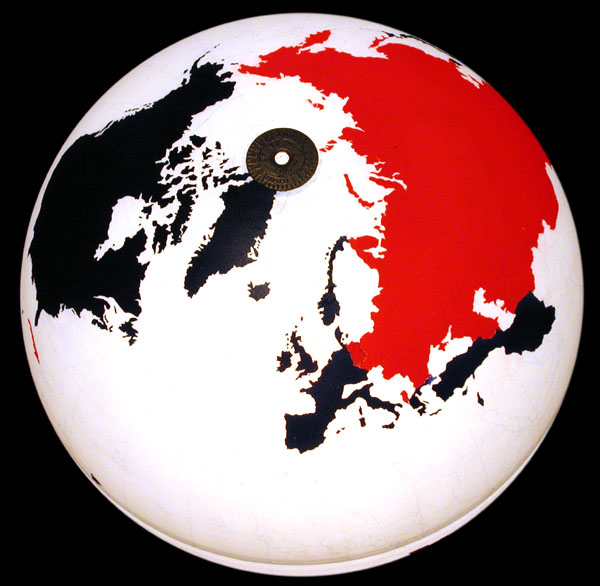
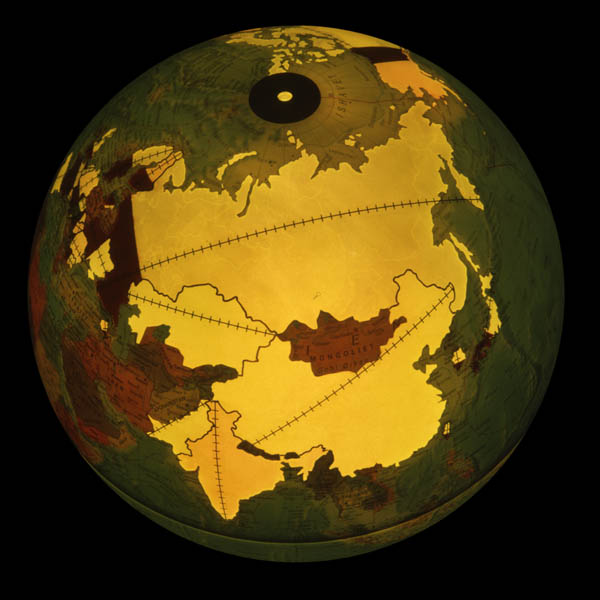
[Image: The Cold War].

[Image: Energy consumption].

[Image: “Population Volume”].

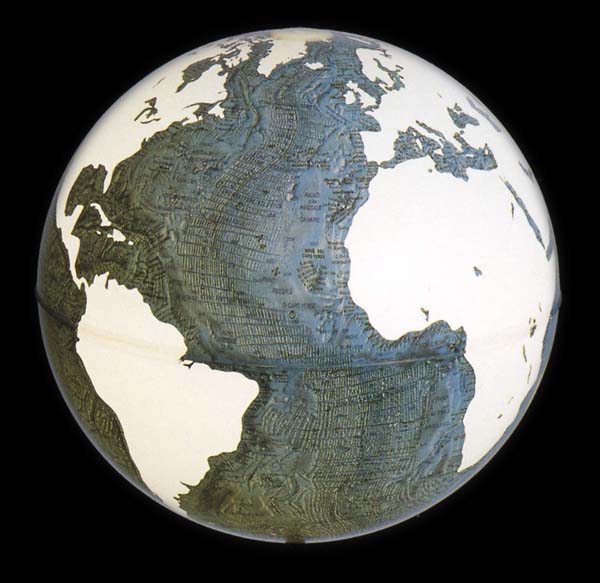
[Image: Global seafloor].

[Image: Nuclear energy dependency].

Literally hundreds more of these globes can be found at Ingo Günther’s Worldprocessor globe catalog.

(Thanks Leah!)

Deep Space Hilton

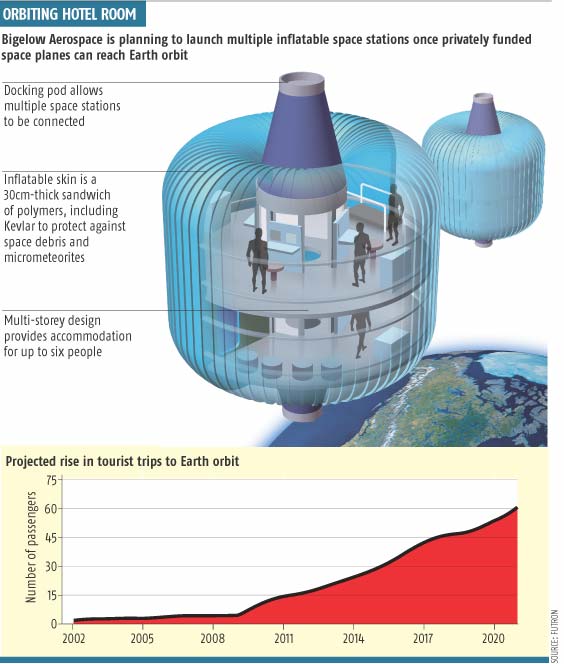
[Image: The “inflatable multilayered polymer hull” of this orbiting hotel room “will be around 30 centimetres thick and will contain layers of Kevlar – as used in bullet-proof vests – to provide some protection against micrometeorites and space debris” – as well as from rowdy hotel guests. Click on to enlarge; from New Scientist].

Might future space tourists need an inflatable space hotel? Of course – and “Las Vegas hotelier Robert Bigelow is aiming to supply it. Bigelow made his fortune as the owner of the Budget Suites of America hotel chain, and he is now launching a $500 million effort to expand his business off-planet.”
The design for Bigelow’s space hotel was taken from “TransHab, a never-used NASA design for an inflatable space station.” (TransHab also appears in an old BLDGBLOG post on astrobiology).
The space hotel “will provide 330 cubic metres of living space for space tourists or industrial researchers” – or even maximum security prisoners…? Instead of a secret prison city, they build a secret prison satellite-archipelago… Forget the death penalty: you’re sent alone into outer space.
Setting up the prison break film of the century.
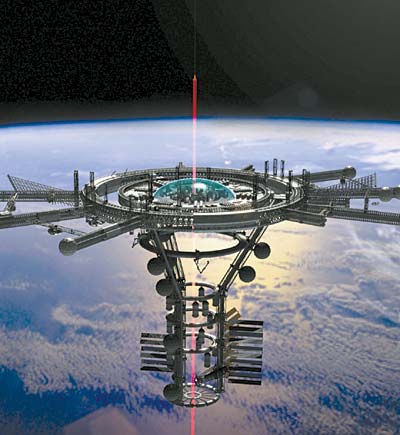
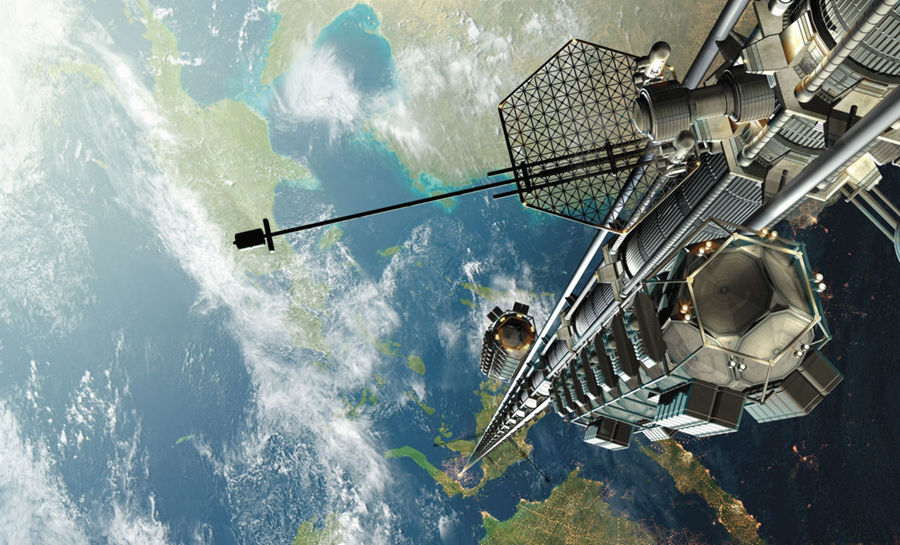
They whiz you up there in a space elevator

[Images: Check out the Space Elevator blog, the LiftPort website and image gallery (“dedicated to building a mass transportation system to open up access to the inner solar system”), and some other technical drawings here].

– but don’t forget to pack your toothbrush.
If the your hotel room begins to wander, of course, a space tether could save you (a “100-kilometre-long ‘fishing line’ that spins freely in space may one day catch and fling satellites to higher orbits… using just solar power and the Earth’s magnetic field”); and if the tether fails, you can always use Richard Gott’s map of the universe to find your way home. (“Gott realised that… if he drew our galaxy to fit on the page, he’d need another 100 kilometres of paper to show the most distant quasar” – skip to bottom of link to see how he made the map work).
Or it serves as home for an exiled author, writing back from deep space.

(With thanks to the excellent Interactive Architecture dot Org, as well as the always ahead of its time we make money not art).

Where cathedrals go to die


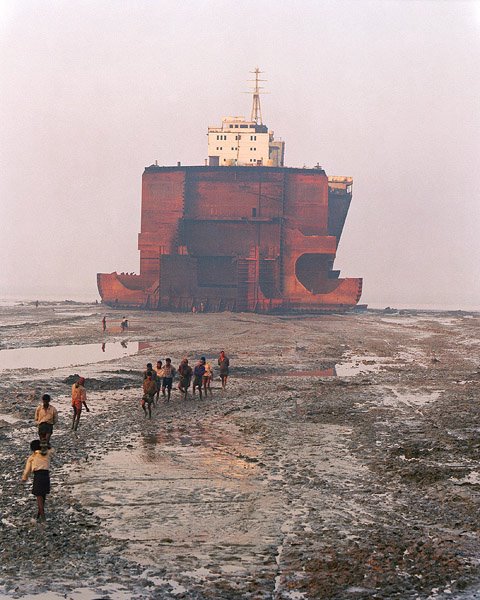
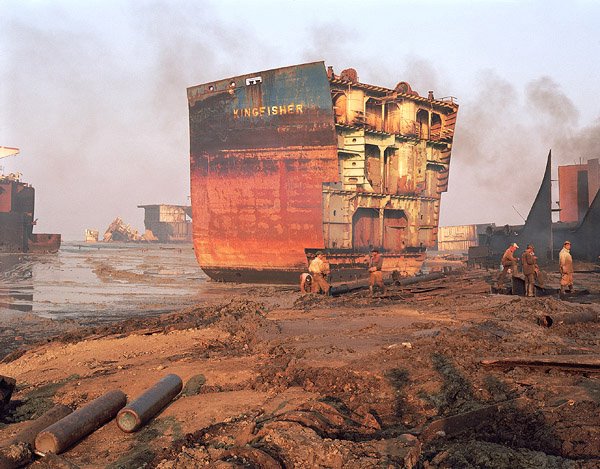
When large container ships can contain or ship no more, they’re sent halfway round the world to so-called “breaking yards,” where they’re dismantled (basically by hand), their metal is salvaged, and their intact structures, down to the doors and toilet seats, are put back onto the global marketplace.
Today, these yards tend to be in Bangladesh or India – but location is just a question of cheap labor and (nonexistent) environmental regulations.
It’s toxic work.
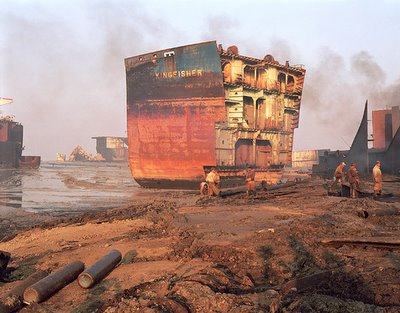
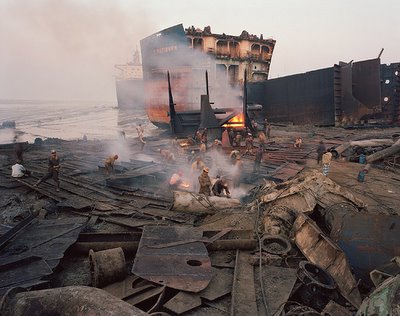
In his book The Outlaw Sea, William Langewiesche visits the Alang shipbreaking yard in Gujarat, India. It is “a shoreline strewn with industrial debris on the oily Gulf of Cambray, part of the Arabian Sea.”
His descriptions are great: “Dawn spread across the gargantuan landscape. Alang, in daylight, was barely recognizable as a beach. It was a narrow, smoke-choked industrial zone six miles long, where nearly two hundred ships stood side by side in progressive states of dissection, yawning open to expose their cavernous holds, spilling their black innards onto the tidal flats… Night watchmen were swinging the yard gates open now, revealing the individual plots, each demarcated by little flags or other markers stuck in the sand, and heavily cluttered with cut metal and nautical debris.”
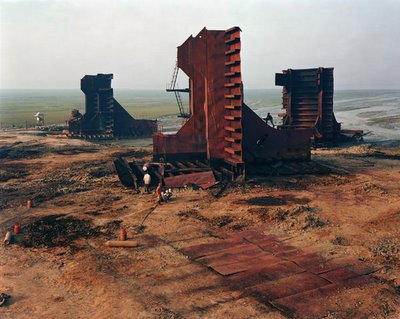

He visits a hull rerolling mill where “perhaps a hundred emaciated men moved through soot and heavy smoke, feeding scrap to a roaring furnace leaking flames from cracks in the side. The noise was deafening. The heat was so intense that in places I thought it might sear my lungs. The workers’ clothes were black with carbon, as were their hair and their skin. Their faces were so sooty that their eyes seemed illuminated.”
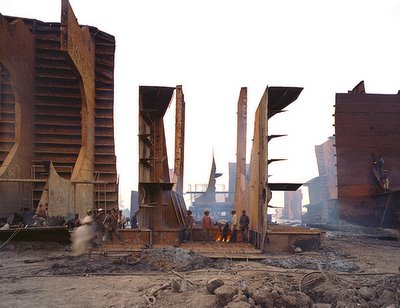
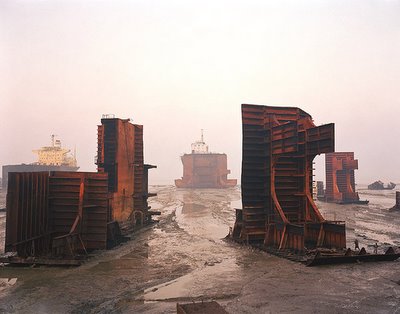
These photographs of a shipbreaking yard in Bangladesh are all by Edward Burtynsky, however, which makes this at least my fourth post about the man – but what can I say? His work is amazing.
There’s something almost mythological in the sight of men standing round campfires amidst the toxic debris of a structure they themselves have taken apart. A displaced landscape of rare metals leaching into the sand beneath them, poisonous deltas flowing to the sea. Metallurgical micro-hydrology.
Surviving – or not – on the scraps of a first world that sent its waste elsewhere.


But what I was actually thinking – what this post was supposed to be about, in fact – was how cool it’d be if old buildings weren’t destroyed by wrecking balls, bulldozers, or well-placed explosives – they were instead uprooted in their entirety, packed onto Panamax cargo ships and dropped onto some beach somewhere, in a tropical archipelago. Complete, intact, ready for salvage. Two hundred old stone cathedrals lined up in the mist at dawn, arches ready for cutting, naves yawning open like hulls of old tankers. Behind them, American football stadiums.
On another island, skyscrapers.
Notre-Dame is collapsing? Well, ship it to the islands, where flying buttresses, arches, and colonnades are stacked round like an inland reef.
Chartres has irrepairable structural damage? The cathedral in Köln? St. Peter’s? The entire arabesque’d core of Venice? Off to the islands! Strapped to the flatbeds and cargo holds of unregistered ships, the Houses of Parliament go floating by.
The Seagrams Building? Swiss Re? Canary Wharf? The Empire State Building? The White House?
Stonehenge?
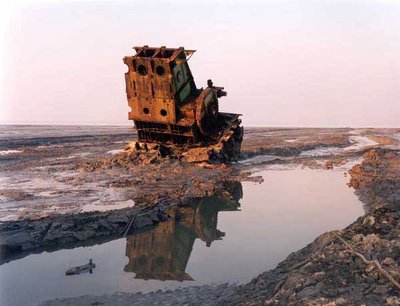

Recognizable chunks of famous architecture litter the island shores of a barely visited archipelago. Sent there on a rusting fleet of container ships.
European cathedrals overgrown with palm trees, half-buried in sand, their crypts exposed, stained glass catching every sunset. Wind-blown bank towers lilt to one side, covered in creeper vines and home to bats.
The intact floors of formerly grand 5th Avenue high-rises, complete with chandeliers, are laid-out in familiar rooms and corridors – but now they’re infested with crocodiles and half-burnt by fire.
A photojournalist arrives, walking stunned through the python-infested arches of what was once Westminster Abbey…
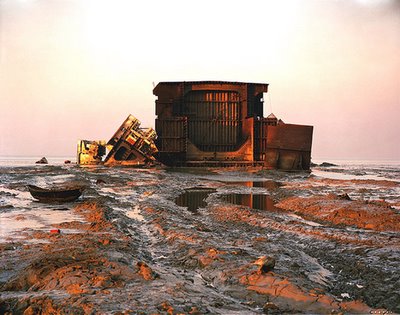

(With thanks to Leah Beeferman for the tip, and with the oddly synchronicitous realization that gravestmor just linked to Burtynsky’s shipbreaking photos, too…)
The Arbonian Sea

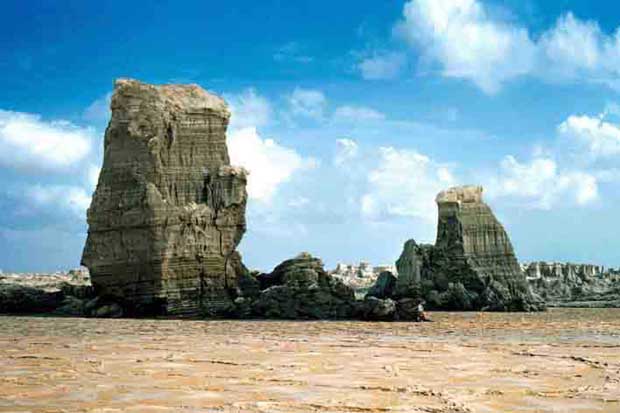
[Image: Dallol, Afar Desert, Ethiopia].

A brand new ocean basin has formed in the Afar Desert of northeastern Ethiopia. Following an earthquake in September 2005, the remote desert region simply split: “the split is the beginning of a long process, which will eventually lead to Ethiopia’s eastern part tearing off from the rest of Africa, a sea forming in the gap.”

Soon the basin will flood; someday it will be an ocean.

Already it’s thirteen feet wide.

[Image: “Ash and pumice was thrown out at vent sites along the 60km segment.” BBC].
If you’re hoping to sail across it, however, you’ll have to wait at least a million years. (Something I’m fully prepared to do, by the way).

And maybe Leah Beeferman can map the future coastline…?

(Via Archinect‘s resident aquaman, Javier Arbona).

Mapping Gowanus


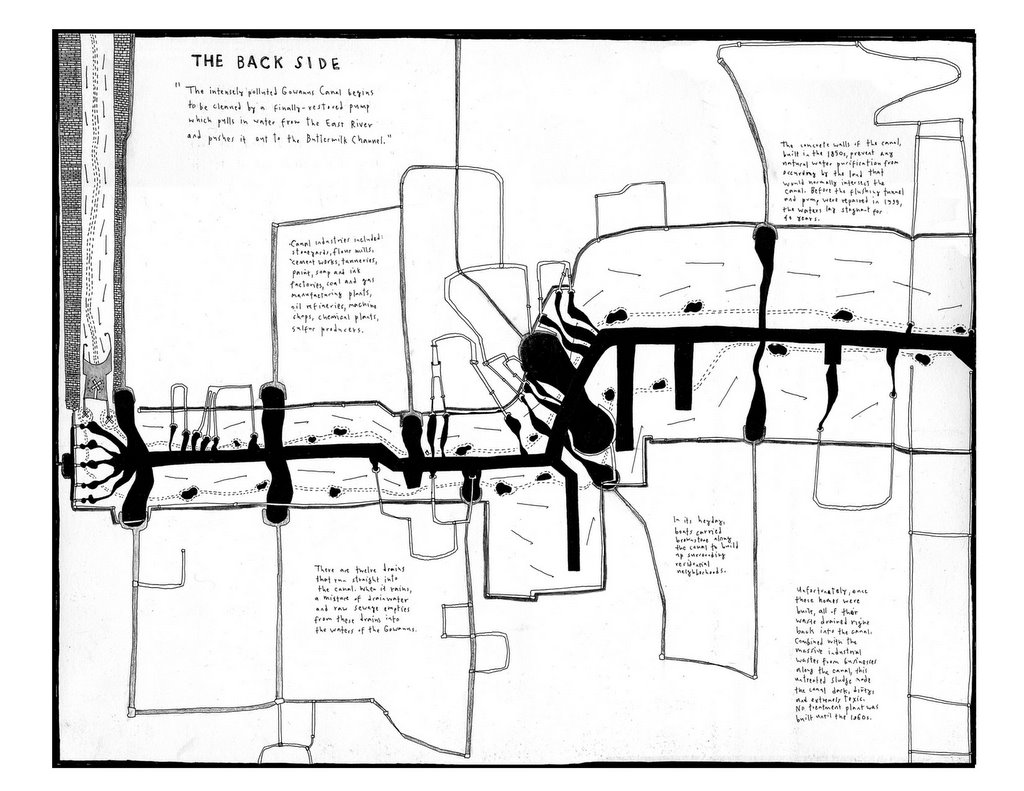
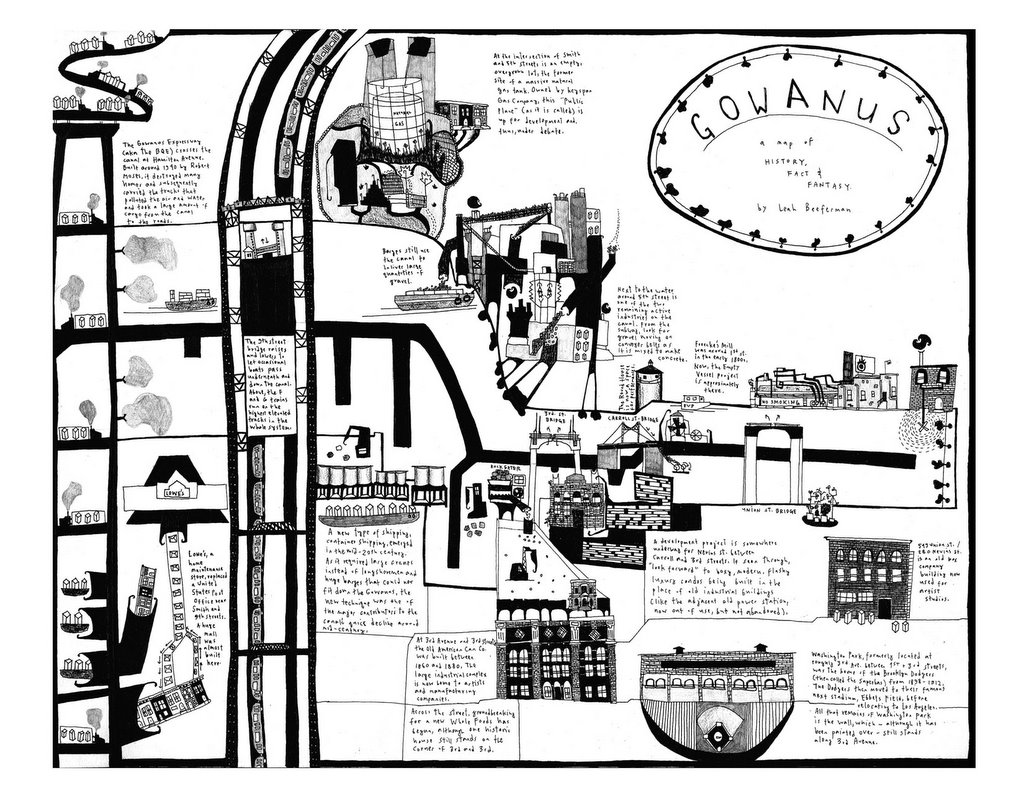
Leah Beeferman, independent artist and graphic designer for Cabinet Magazine, has produced her own map of Brooklyn’s Gowanus Canal: a mix of “history, fact & fantasy.” Combining cartography, myth, speculation, and history, the map can be downloaded from her website and printed out for your own navigational needs.


“I’d been curious about the canal for the year I’d been living in Brooklyn,” Beeferman writes. “I did a lot of internet research, looked at maps and photos, went on a walking tour of the neighborhood with a woman who runs the Gowanus Dredgers (the canoe club that operates on the canal), walked around and took pictures. Also got a neighborhood guide to Gowanus and Red Hook from the Brooklyn Historical Society, and looked through their photo archives. (…) The locations are approximate, to help maintain the speculative aspect of the project. When the front was done, I used a light table to mirror the canal on the back and put in the underground sewer elements.”


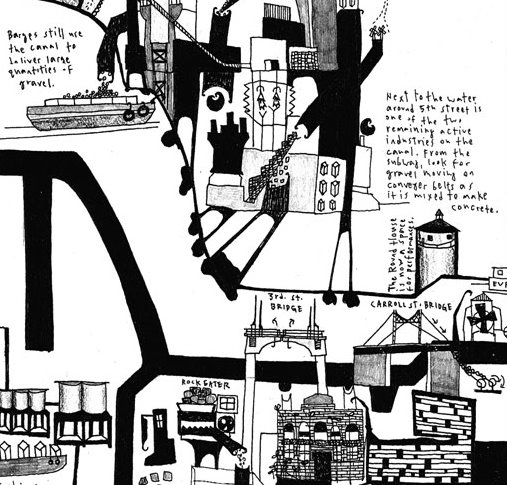
[Image: A close-up of the map: “Next to the water around 5th Street is one of the two remaining active industries on the canal. From the subway, look for gravel moving on conveyor belts as it is mixed to make concrete”].


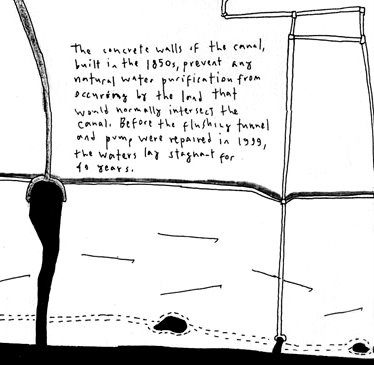
[Image: A close-up of the map: “The concrete walls of the canal, built in the 1850s, prevent any natural water purification from occurring by the land that would normally intersect the canal. Before the flushing tunnel and pump were repaired in 1999, the waters lay stagnant for 40 years”].


[Image: Gowanus Canal; New York Times. “The streets alongside it are practically deserted, the silence broken by the rumble of concrete mixers and oil tankers or the screech of buzz saws”].

In fact, the area is now gentrifying, with residential lofts and even a new Whole Foods moving in. The local argument, predictably, is whether upscale development or post-industrial dereliction is best.
To build or not to build?
Returning to cartography, however, I was at a talk the other night by Henry Wendt, head of Quivira Vineyards and now something of a full-time map aficionado.


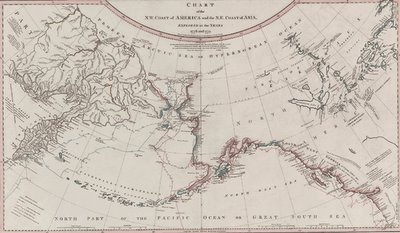
[Image: William Faden, Chart of the N.W. Coast of America and the N.E. Coast of Asia, Explored in the Years 1778 and 1779 (London 1784, 1794)].

One of the maps in his collection, now on display at the University of Pennsylvania’s Arthur Ross Gallery, is this coastal chart, pictured above, by William Faden. Faden (and I might get this wrong, so forgive me) was Captain Cook’s onboard cartographer; this chart documents Cook’s journeys round the northern Pacific, including the coastline of what is now British Columbia.
The reason I’m including it, however, is that if you go to the Arthur Ross Gallery in person and look closely at the map, you’ll see it’s full of weird little notes, a kind of on-going travelogue: “made canoes here,” “the Spaniards saw volcanoes here in 1755,” “an island of ice was seen here by Charles” – etc.
It’s somewhere between text and map, in other words, “history, fact & fantasy.” Narrative cartography.
It’s Leah Beeferman’s map of Gowanus, on the scale of an entire coastline.

The Monolithic Dome Institute


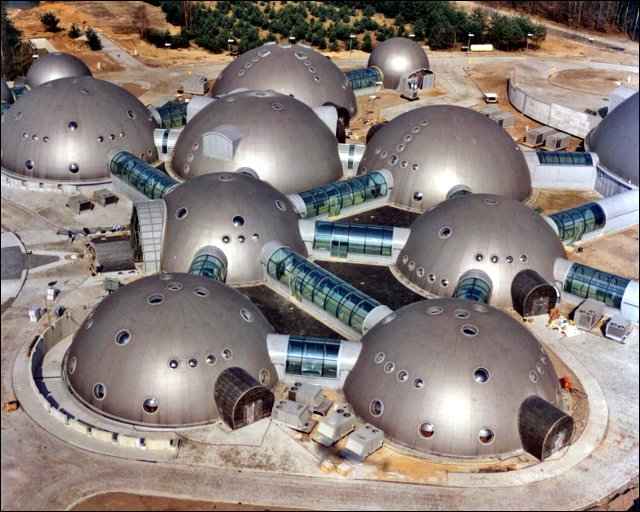
[Image: The headquarters of Poland’s Radio Muzyka Fakty Sp.z oo. As if stunned by their own work, the architects add: “This is a completed facility! This is NOT a drawing or a scene out of Star Wars.” More on that project here].

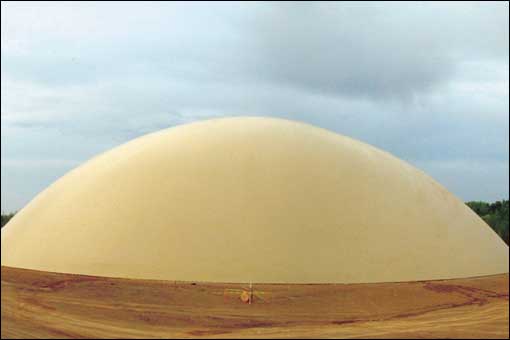
You can’t get much simpler than “monolithic.com,” the website for the Monolithic Dome Institute. “Today, Monolithic is a family of companies sharing a mutual goal: to improve the lives of people worldwide through the introduction and construction of Monolithic Domes.”
And aren’t domes the #1 suggested gift for 13th wedding anniversaries…?


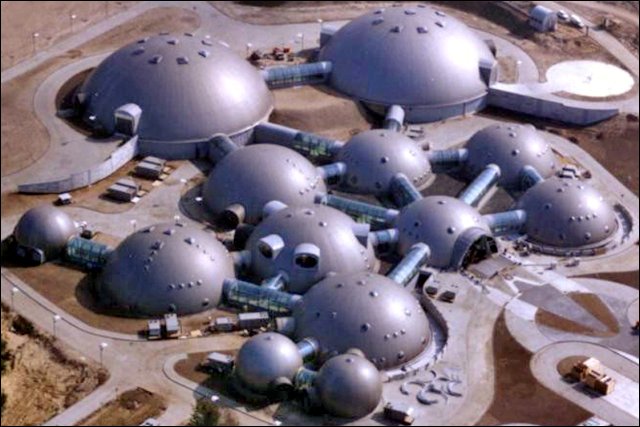
[Image: That same Polish radio station].

The Monolithic Dome Institute operates a number of subsidiary companies, all with wonderfully abstract names: Monolithic Construction Management, Monolithic Equipment (what kind of equipment, you ask…?), Monolithic Airforms, and Dome Living Rentals.


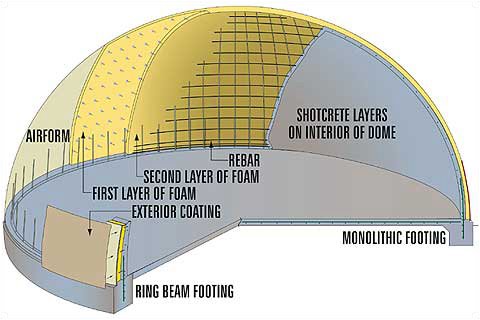
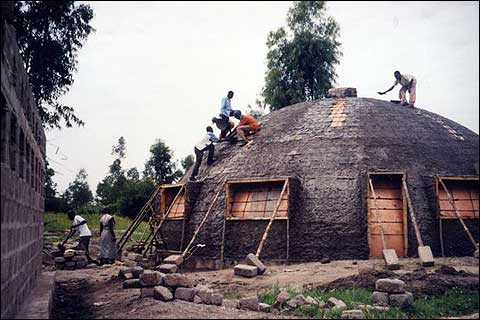
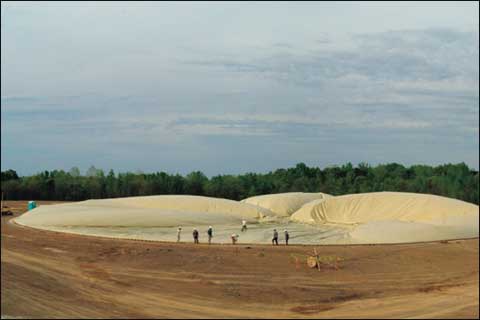
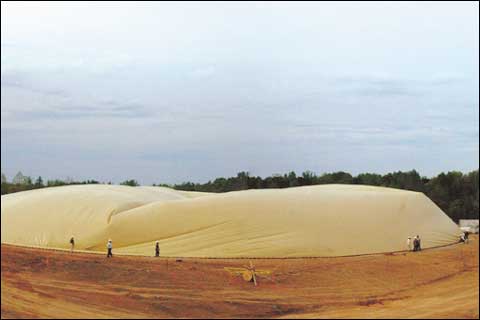
[Image: Anatomy of a dome: “The Monolithic Dome is a super-insulated, steel reinforced concrete structure used for homes, schools, gymnasiums, bulk storage facilities, churches, offices, and many other uses”].

The company is surprisingly earnest in its attempt to design affordable, safe, and easily constructed shelters that are apparently lightning-proof, earthquake-safe, and even “disaster-resistant.” They even run something called the Domes for the World Foundation.


[Image: Domes built in “emerging countries“].

The company even seems to claim an architectural genealogy that stretches back to Hagia Sophia and Rome’s Pantheon.
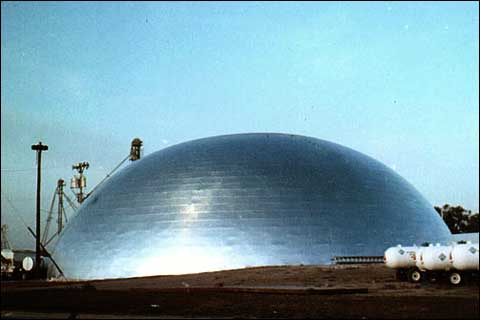
They’ve done sports facilities, so-called podular gyms, fertilizer storage units –


– and even churches


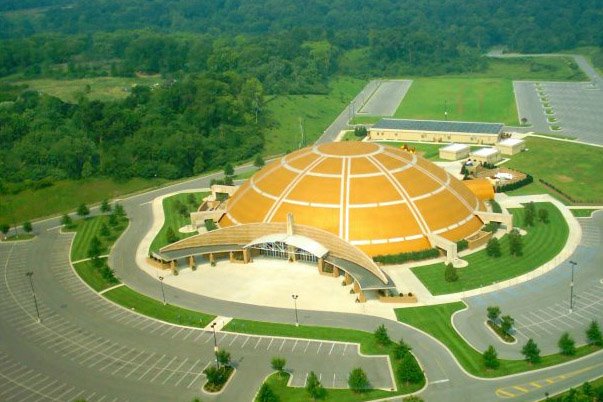
– including this one in Birmingham, Alabama.


[Image: Faith Chapel Christian Church, Birmingham, Alabama].

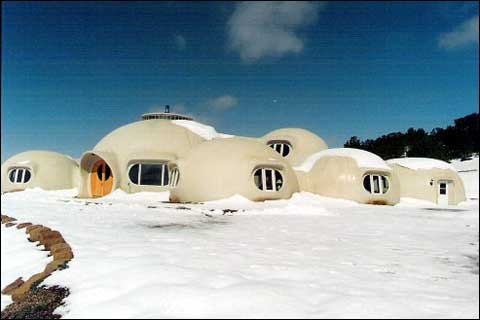
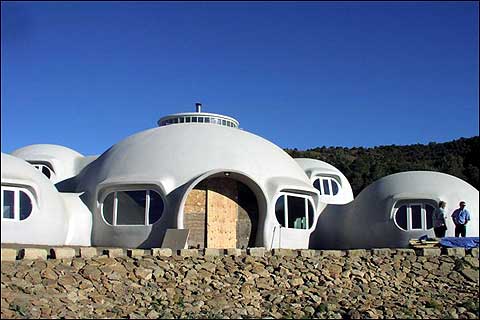
Then there are the houses.


[Images: A home near Aguilar, Colorado; images supplied by Michael Wenzl].


[Image: Another monolithic dome home in Colorado].

Interested? Plan yours today.
How much would a BLDGBLOG pod village cost, for instance? Could it look like this?:


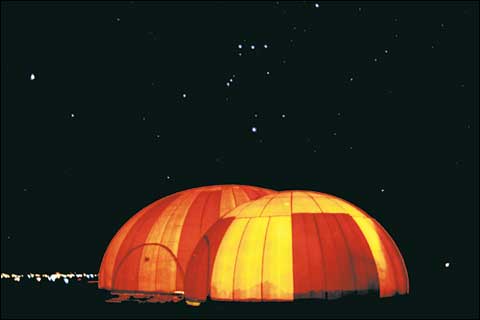
[Image: The Willard family dome – check out Orion’s belt!].

BLDGBLOG’s Topographic Map Circus


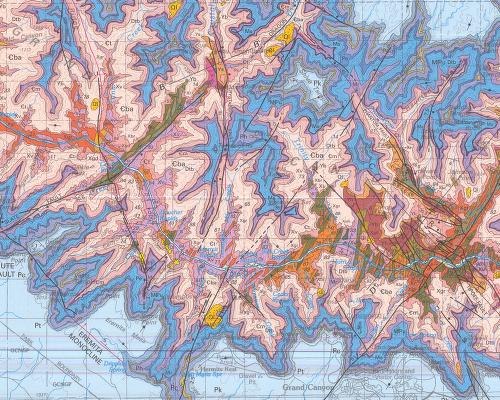
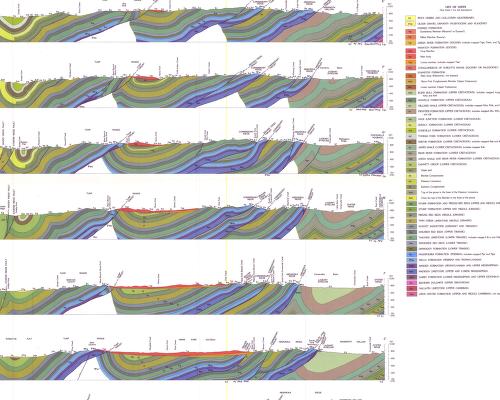
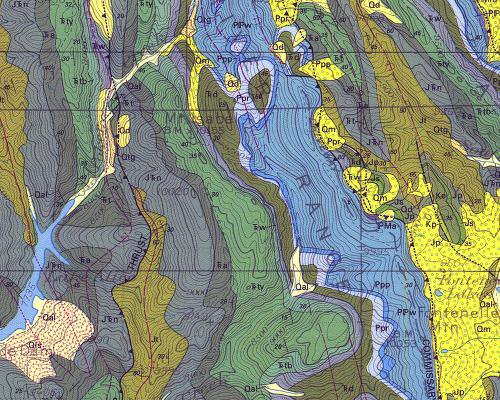
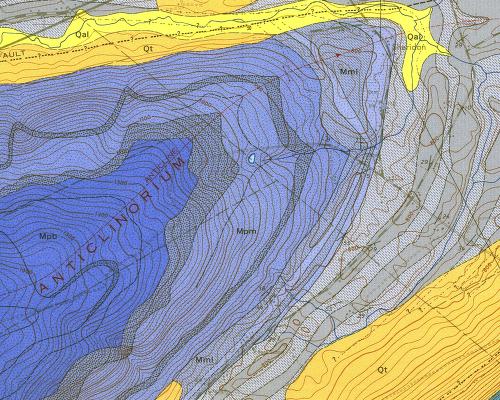
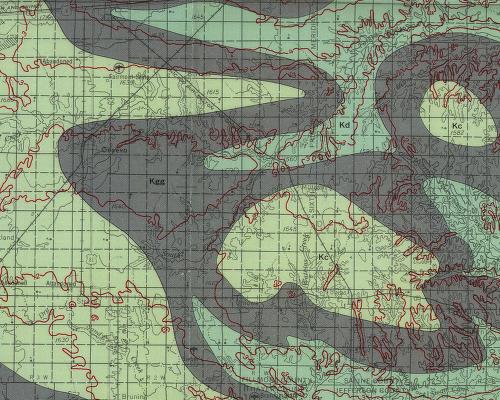
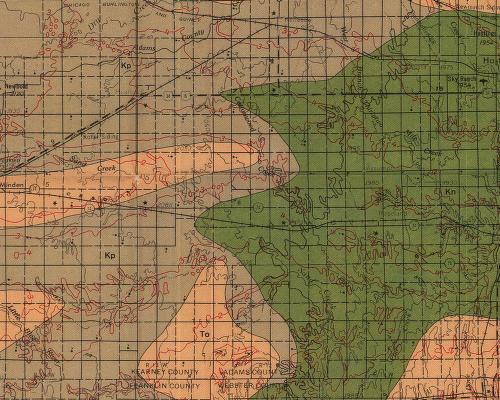
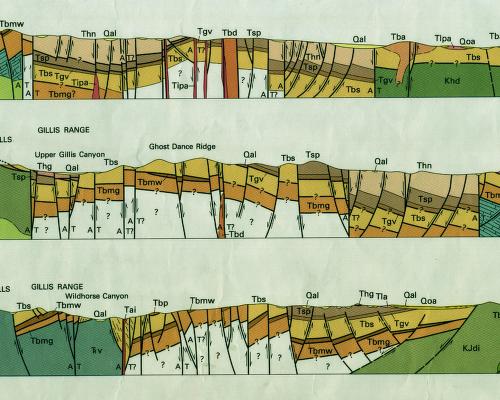
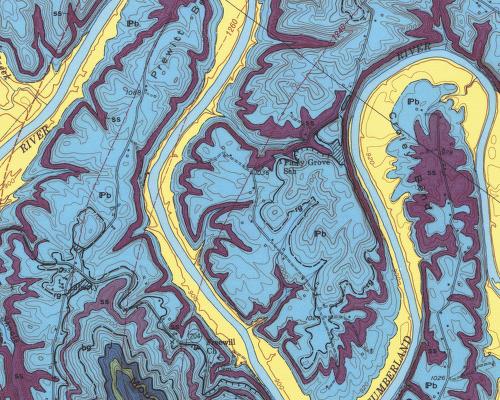
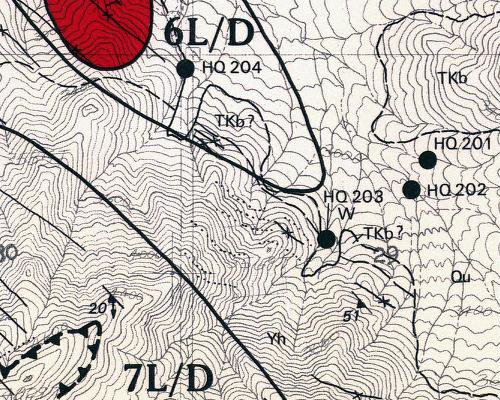
[Images: The sheer, extraordinary beauty of these maps is hardly even the start of one of the biggest time-traps I’ve ever found on the internet: the National Geologic Map Database of the United States Geological Survey. You can click through regions, or go state by state, and some of the most giddily unbelievable, breathtaking images I’ve ever seen can be zoomed-in on to a detail that nearly pixelizes it’s so close. Preliminary bedrock topography! Interpretive geologic cross sections of Death Valley! The possible mythic overtones make the brain reel. Mapping time-dependent changes in soil-slip-debris-flow probability! What!? The vocabulary alone is worth the visit. Distribution of hydrogeologic units – just look at this map! And this one! Map fetish! It’s the weird and wonderful world of abstract terrestrial science. Look at this one! And this one! In fact, just click on Kentucky and you’ll go nuts].


[For other unforgettable maps, don’t forget these].

The Geoacoustic Sea


[Images: Geoacoustic topographical maps of the seafloor outside Sydney, Australia, taken by the GeoSwath].

Geoacoustics basically means using sound to map a distant landscape. This includes the seafloor: you bounce soundwaves off the bottom, and the time it takes for the echoes to come back reveals landscape depth and other topographical details – sometimes even shipwrecks and alien cities – what
(You can read a bit more about geoacoustics through a series of PDFs at the Woods Hole Marine Seismology and Geoacoustics Group homepage).
Bats, for instance, can be said to navigate geoacoustically.
In any case, these images are geoacoustic landscape maps of the ocean floor outside Sydney, Australia –


– including an undersea plane wreck, also mapped with geoacoustics. It is unclear whether the plane is also near Sydney, however; either way, there are five or six other wreck maps to look at, and the detail is great. If you look, for instance, at the third image in this post you’ll see a shipwreck! It’s that little oblong geometric object in the bottom-center of the image – which you also see in the monochromatic version, above.
Anyway, to satisfy your inner Steve Zissou, take a look at the Woods Hole Deep Ocean Exploration Unit; and check out these films of echo-scattering on submerged topography. (For another cool film – a simulation of last year’s Asian tsunami – see BLDGBLOG’s earth.mov).
Finally, two more geoacoustic maps:


[Image: A geoacoustic map of the bottom of Lake Vattern, Sweden].


[Image: Geoacoustic map of a faultine off Indonesia].

Perhaps in a few hundred years we’ll be producing geoacoustic maps of a submerged New Orleans, or a London done under by tides and estuarial flooding. The undersea canyons of New York, former archipelago.
It’d be interesting, meanwhile, if you could take geoacoustic data and release it as an MP3: you could then listen to the suboceanic landscape’s raw sonic topography, compressed aquatic echoes, complete with deepsea ridges and audio-thermal vents. Non-visual mapping of unreachable landscapes. An MP3 of the surface of Mars. The rings of Saturn.

When landscapes sing: or, London Instrument


[Image: Keith Robinson/B+C Alexander/New Scientist].

The polar seas are filled with sound: unearthly vibrations that moan almost constantly through near-frozen waters.
“‘It’s like a string orchestra all practising different tunes at the same time but then suddenly playing together,’ says Vera Schlindwein, a geophysicist at the Alfred Wegener Institute for Polar and Marine Research in Bremerhaven, Germany.”
If you’re hoping to stick your head underwater, however, and listen directly to the arctic seas: think again. “The sounds are not usually audible, but can be heard when recordings of seismic signals… are speeded up.”
And they sound like this.


[Image: Photographer unknown; from Shifting Baselines].

So what are the instruments behind this frozen music?
Icebergs, of course.
“A spectacular 16-hour ‘song’ in July 2000 helped pinpoint the cause,” which was “traced to a 400-metre-high iceberg.” As the iceberg scraped along the seafloor, “seawater running through crevasses in the ice would have continued to flow rapidly, causing the tunnel walls [to] vibrate.” It was a kind of frozen saxophone, pounding into underwater geological formations.
This is the iceberg as cello string (or perhaps kettle drum). The internal crystalline pressures of a half-submerged, mobile landscape soundtracking the arctic seas. Tectonics of ice in surround-sound.


[Image: Gustave Doré, “Over London By Rail” (1872)].

But what if you took note of this and went elsewhere, to London for instance, armed with contact microphones and an iPod? You could listen through headphones to the foundational moaning of old buildings, plugged directly in, the whole city an instrument of arches and railway viaducts, Tube tunnels and old churches, gravitational pressures. The unsettling groan of wet masonry.
Like the creaking timbers of an old ship – or like an iceberg: a landscape under strain, singing all but inaudible music. Except you’ve got your contact mics, and your headphones on, and the reverbed shudder of a Georgian terrace house lulls you to sleep in a cafe. Arctic music, London-based.
Or perhaps all the bedrock beneath Manhattan, hooked up to contact mics and recorded for three weeks: that recording sped-up to no less than ten minutes then played at high volume through loudspeakers.
This is what your city sounds like, you say: the loose wobble of brickwork and glass. 70 floors of an iron tower humming in the darkness as snow falls.
This is the city, settling in its marshes; this is London, instrument.

(Via Archinect‘s mapper of the poles, Bryan Finoki).

India Builds the Futurist Highway


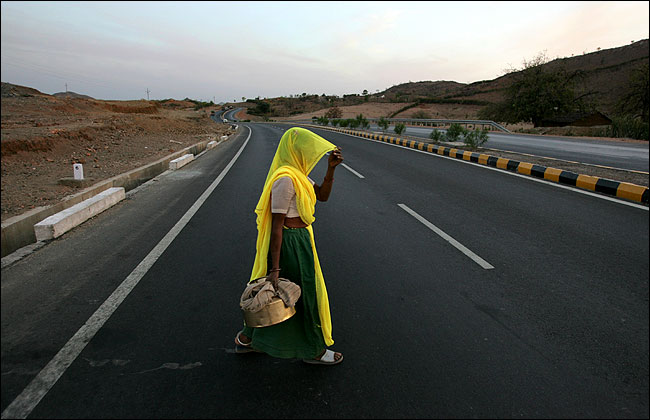
[Image: “A woman crossing a stretch of India’s improved national highway system in a village in the northern state of Rajasthan.” Tyler Hicks/New York Times].

More Asian highway news: “The Indian government has begun a 15-year project to widen and pave some 40,000 miles of narrow, decrepit national highways, with the first leg, budgeted at $6.25 billion, to be largely complete by next year. It amounts to the most ambitious infrastructure project since independence in 1947 and the British building of the subcontinent’s railway network the century before.”
As the New York Times opines: “The effort echoes the United States’ construction of its national highway system in the 1920’s and 1950’s. The arteries paved across America fueled commerce and development, fed a nation’s auto obsession and created suburbs. They also displaced communities and helped sap mass transit and deplete inner cities.”
India’s automotive modernization, however, allows the New York Times this quick throwaway line: “Goddess versus man, superstition versus progress, the people versus the state – mile by mile, India is struggling to modernize its national highway system, and in the process, itself.”
A part of me wonders if the article’s author only wanted to cover the story in order to write that sentence…


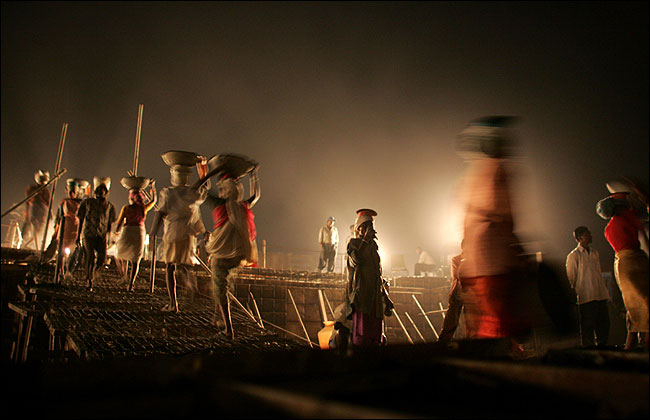
[Image: “Migrant workers carrying cement at night to fill a section of a bridge under construction west of Aurangabad, in the state of Bihar.” Tyler Hicks/New York Times].

“At its heart,” the author continues, “the redone highway is about grafting Western notions of speed and efficiency onto a civilization that has always taken the long view.”
Always?
In any case, as the monolithic abstract surfaces of desert highways begin to coil and stretch themselves over the often rugged Indian topography, the mountains and swamps, passing through collapsing cities on shores, perhaps we will see a new kind of Indian Futurism arise, taking over from the outdated and Italianate F.T. Marinetti and Antonio Sant’Elia, an art of speed and travel and roadside architectural abstraction; or perhaps the fresh start of a counter-Bollywood, a traveling, digital, hyper-realist cinema that maps the outer edges of this newly autobahn’d Indian subcontinent with hand-held cameras and cheap cars, filmmakers traveling together at 90mph. DIY psychovideography, roadborne.
What, then, would happen when all this links up with the Asian Highway Project? When our possible future routes stretch from Finland to Tokyo, via Tehran and Outer Mongolia? What then? What future arts and structures will we make then?
A BLDGBLOG Guide to the Asian Highway Project. Interested funders, be in touch.

Earthquake Tower

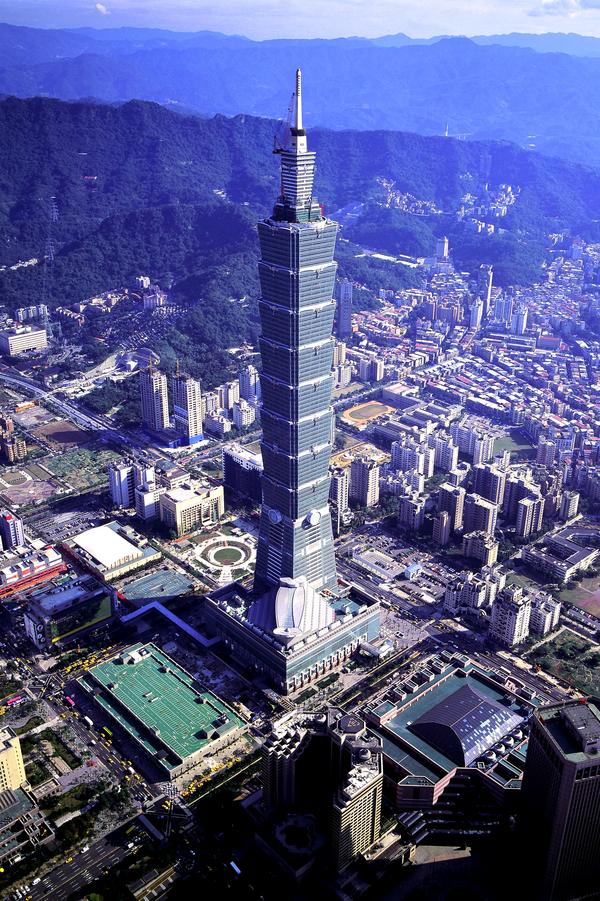
[Image: “At more than 500 metres, Taipei 101 in Taiwan is the world’s tallest building. But now geologists fear that its size and weight may have transformed a stable area into one susceptible to earthquake activity. (Photograph: Wally Santana/AP)”].

Taipei 101, temporarily the world’s tallest building, is causing earthquakes.
The “sheer size of the Taiwan skyscraper has raised unexpected concerns that may have far-reaching implications for the construction of other buildings and man-made megastructures. Taipei 101 is thought to have triggered two recent earthquakes because of the stress that it exerts on the ground beneath it.”
This is 700,000 tons of stress – and it “may have reopened an ancient earthquake fault.”

[Image: Emporis].

This reminds me of the film Ghostbusters. Toward the end of the film it’s revealed that Sigourney Weaver’s residential tower – the metal in its walls, the iron infrastructure, the whole shootin’ match – is actually an antenna for ghosts and fire-breathing hell-oxen, which she finds hiding in her refrigerator.
The entire building, in other words, exerts stress on occult faultlines that run throughout New York City, attracting evil spirits toward it like a vortex of the dead.
Here, however, Taipei 101 acts as a grounded antenna attracting tectonic forces. Tectonic shortwave.
Or, architecture as tectonic warfare pursued by other means: China says sure, mate, we’ll send you our best engineers and architects. Why not? Only three years later the CIA discovers everything China built was specially designed to exert strain on ancient tectonic faults; geotechnical battle tactics in architectural form.
For the price of some construction, and with a little patience, you destroy another country through earthquakes. War averted. No troop deaths.
We learned it from Taipei 101!, they’ll say.
The military manuals of the future – will be entirely architectural.